
Trump Weighs ‘Taking Cuba’ Amid Power Collapse
TEXT : Plam Fansberg
U.S. President Donald Trump stirred controversy on Monday after publicly musing about the possibility of the United States “taking” Cuba, remarks that came as the island nation experienced a nationwide collapse of its power grid. The blackout occurred weeks after the United States effectively cut off oil supplies to the country, a move that has placed enormous pressure on Cuba’s fragile energy system. While the White House has not announced any concrete policy shift, Trump’s comments have raised questions about Washington’s intentions toward the Caribbean nation at a time of escalating geopolitical tension.
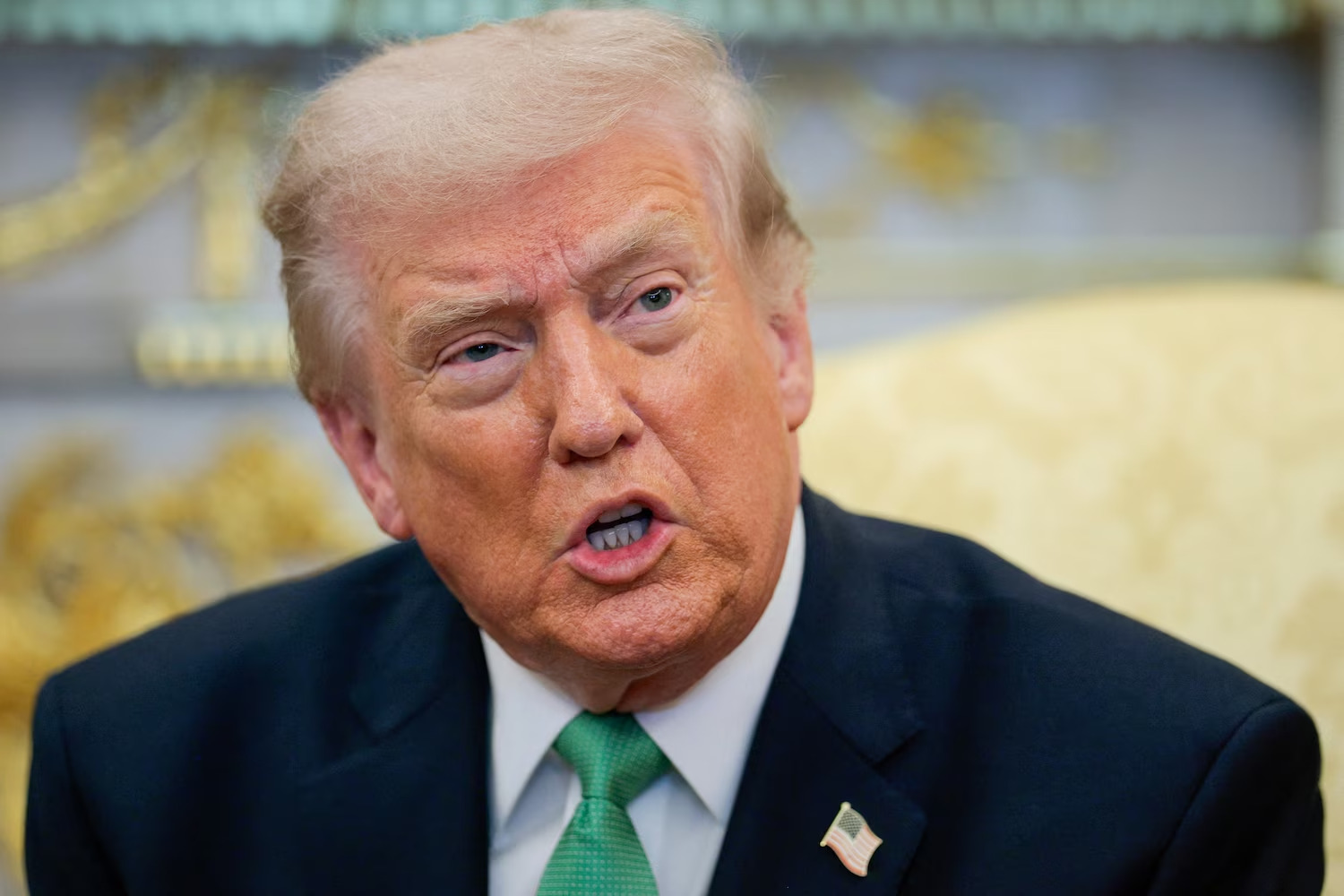
President Donald Trump on Monday openly reflected on whether the United States might one day claim the “honor” of taking control of Cuba. Speaking from the White House, the president made remarks that immediately drew attention for their provocative tone.
“You know, I’ve been hearing about the United States and Cuba for a long time,” Trump said. “When will the United States have the honor of taking Cuba? It would be a great honor.”
The president continued by suggesting that the United States could potentially “take Cuba in some way,” although he did not clarify what form such an action might take. “Taking Cuba — whether that means liberating it or something else — I think we could do whatever we want,” he added.
His comments came during a period of heightened tension in the Western Hemisphere and were interpreted by some observers as an indication that Washington may be considering a more aggressive posture toward the island nation.
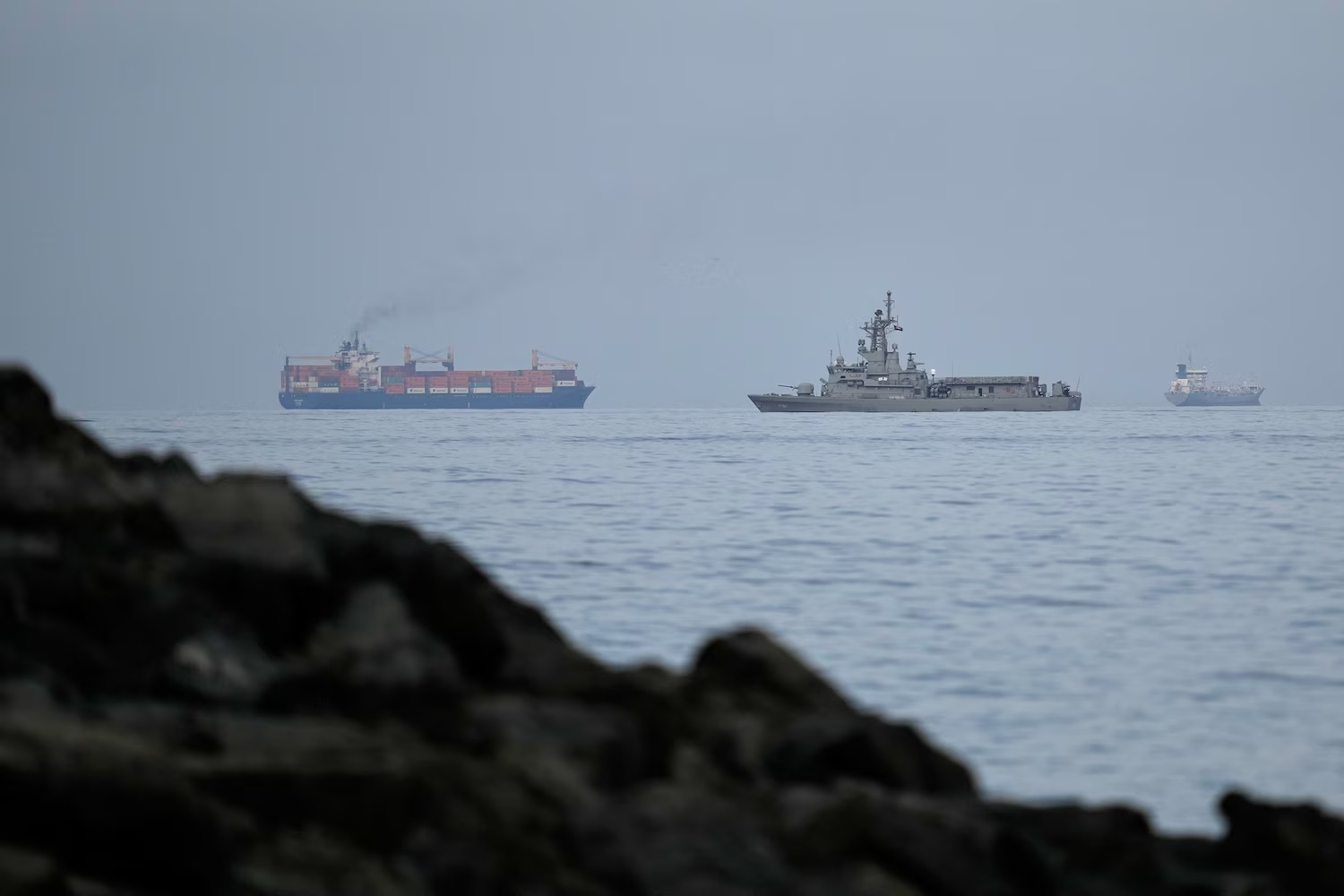
During the exchange with reporters, Trump was asked whether a potential U.S. operation in Cuba might resemble the hypothetical arrest of Venezuelan leader Nicolás Maduro, or whether it could become another prolonged military confrontation similar to the ongoing conflict between the United States and Iran.
Trump declined to provide a direct answer.
“I can’t answer that,” the president told reporters when pressed about the possibility of military intervention. His brief response did little to clarify whether the administration is seriously considering such a scenario or whether the remarks were intended primarily as political rhetoric.
Foreign policy analysts note that any U.S. military action involving Cuba would represent a dramatic escalation in regional tensions and could have significant implications for relations across Latin America.
Trump’s remarks coincided with a major crisis unfolding within Cuba itself. On the same day the president spoke, the island experienced another widespread power outage that plunged large parts of the country into darkness.
The blackout marked the first nationwide collapse of Cuba’s electricity grid since the United States effectively cut off oil supplies to the country weeks earlier.
Cuba’s state-run power grid operator announced Monday that technicians were working urgently to restore electricity across the nation. However, officials warned that the recovery process could take time due to the severity of the system failure.
The situation has highlighted the vulnerability of Cuba’s aging energy infrastructure and its heavy reliance on imported fuel to maintain electricity production.
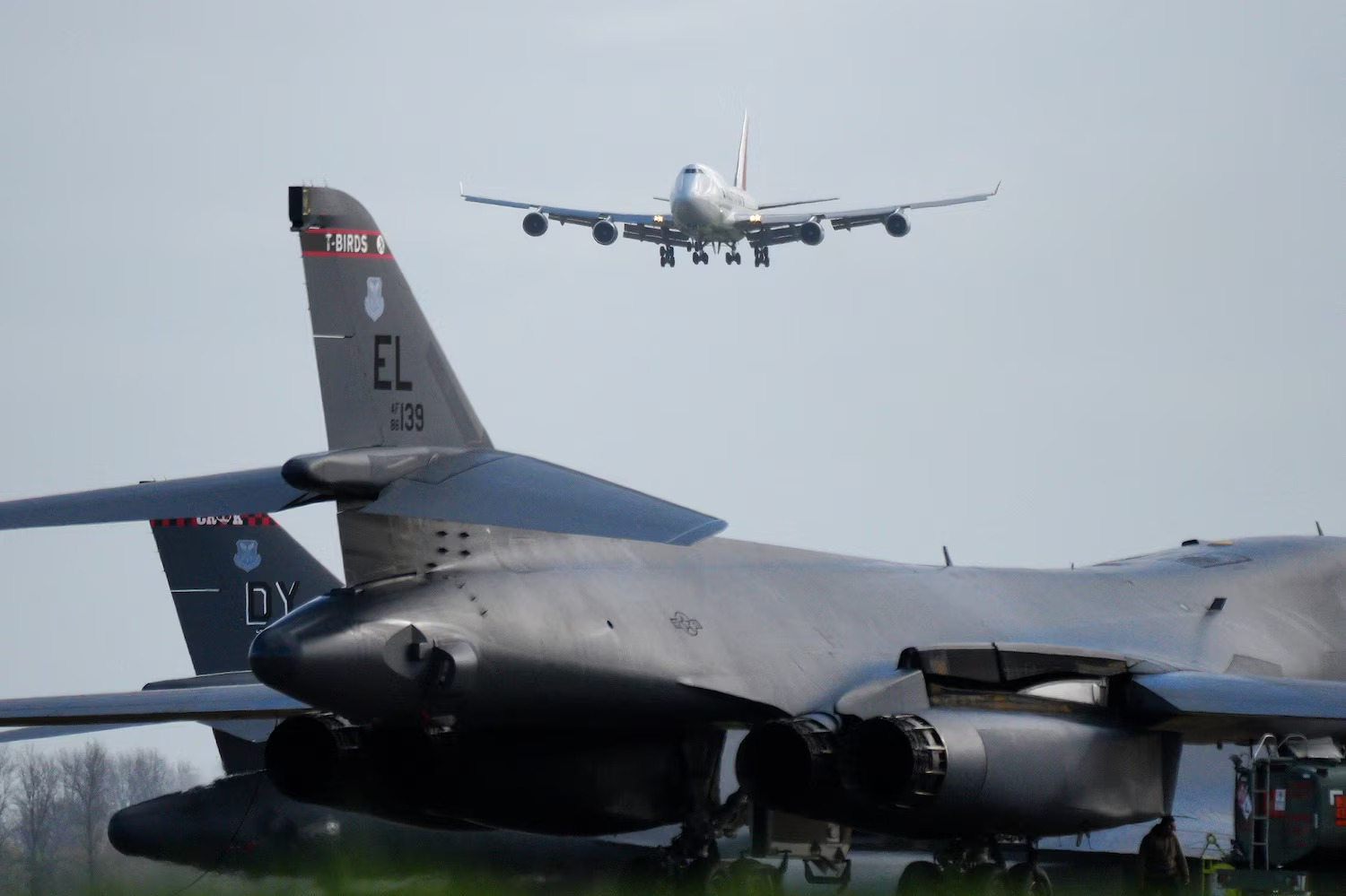
Cuba depends heavily on oil to generate electricity, making the country particularly vulnerable to disruptions in fuel supply. Analysts say the recent U.S. actions that effectively halted oil shipments have intensified pressure on the nation’s already fragile energy system.
Without sufficient fuel for power plants, electricity production has declined sharply, leading to rolling blackouts and widespread outages in several regions. The nationwide grid collapse on Monday underscored how quickly the energy crisis can escalate.
Economists warn that prolonged power shortages could have severe consequences for Cuba’s economy, affecting transportation, food supply chains, and essential services such as hospitals.
Against this backdrop, Trump’s comments about potentially “taking Cuba” have drawn renewed attention to Washington’s strategy toward the island nation. Whether the remarks signal a genuine shift in policy or simply reflect the president’s rhetorical style remains unclear, but they have already added a new layer of uncertainty to an already volatile regional situation.