
Trump’s Statements Cloud War Outlook
TEXT : Joseph Taylor
As the military conflict with Iran enters its second week, the messaging coming from the U.S. administration has been inconsistent, creating confusion both domestically and internationally. President Donald Trump has suggested that the war could end “very soon,” while also indicating that the United States is prepared to escalate military action if necessary. At the same time, differing explanations have emerged from within the administration regarding the duration of the war, its objectives, and the future leadership of Iran. Here, we examine the administration’s statements and what they may reveal about the trajectory of the conflict.
As the war with Iran continues, President Trump and members of his administration have presented differing views on how long the conflict might last.
Last week, President Trump said the war could take “four to five weeks,” suggesting that the operation might require a limited but defined period of time. However, only days later he shifted his tone, warning Iran that the United States possesses an “almost unlimited supply of ammunition” and could continue the war “forever” if necessary.
Over the weekend, Trump appeared to downplay his earlier estimate of four to five weeks, telling reporters in a casual manner that the timeline could change “no matter what happens.” His remarks left journalists uncertain about the administration’s actual expectations for the duration of the conflict.
As a result, the administration’s messaging has alternated between suggesting a short-term operation and preparing for a potentially prolonged conflict, raising questions about the clarity of the overall strategy.
Meanwhile, the U.S. Department of Defense has taken a far more cautious stance.
In statements released over the weekend and again on Monday, the Pentagon emphasized that the conflict is still in its “early stages.” Defense Secretary Pete Hegseth appeared on CBS’s program 60 Minutes on Sunday and said, “What I want viewers to understand is that this is only the beginning.”
Additionally, the Pentagon’s official Rapid Response account posted on Monday afternoon that “we are just getting started in this fight,” reinforcing the view that the military campaign could extend longer than some political statements suggest.
These remarks indicate that the situation on the ground remains fluid and that achieving military objectives may require sustained operations.
However, the contrast between the White House’s optimistic tone and the Pentagon’s more measured assessment has fueled speculation that the administration may not be fully aligned on the war’s timeline and strategy.
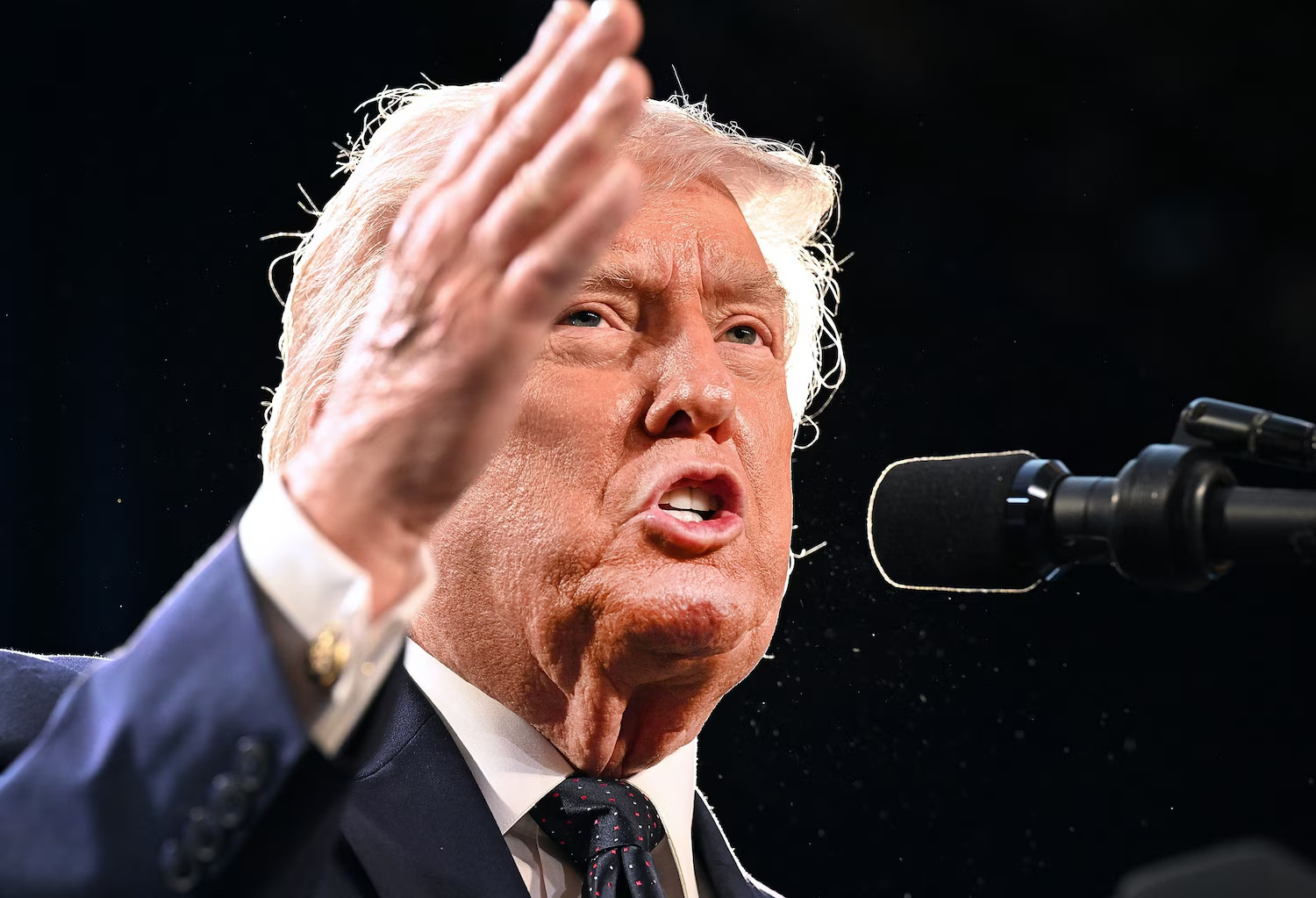
As oil and gas prices surged, President Trump delivered a message that differed sharply from the Pentagon’s more cautious tone.
Speaking to CBS News later that same afternoon, Trump said the war was “almost completely finished.” He also addressed a House Republican retreat at his club in Doral, Florida, where he described the military operation as a brief mission.
“We felt we had to take a little excursion to remove something evil,” Trump said, adding that the campaign would likely prove to be a “short expedition.”
Calling the conflict “short-term,” Trump received applause from Republican lawmakers in attendance.
Minutes later, during a press conference, the president stated that there had been “major progress” toward achieving U.S. military objectives and said that “some people would say it’s pretty much complete.”
Trump added that the operation was progressing “much faster than the original schedule” and suggested that it “could end very soon.” At the same time, the White House said Iran had “refused to engage in good-faith negotiations” with the United States.
Despite the administration’s statements, several key questions surrounding the conflict remain unresolved.
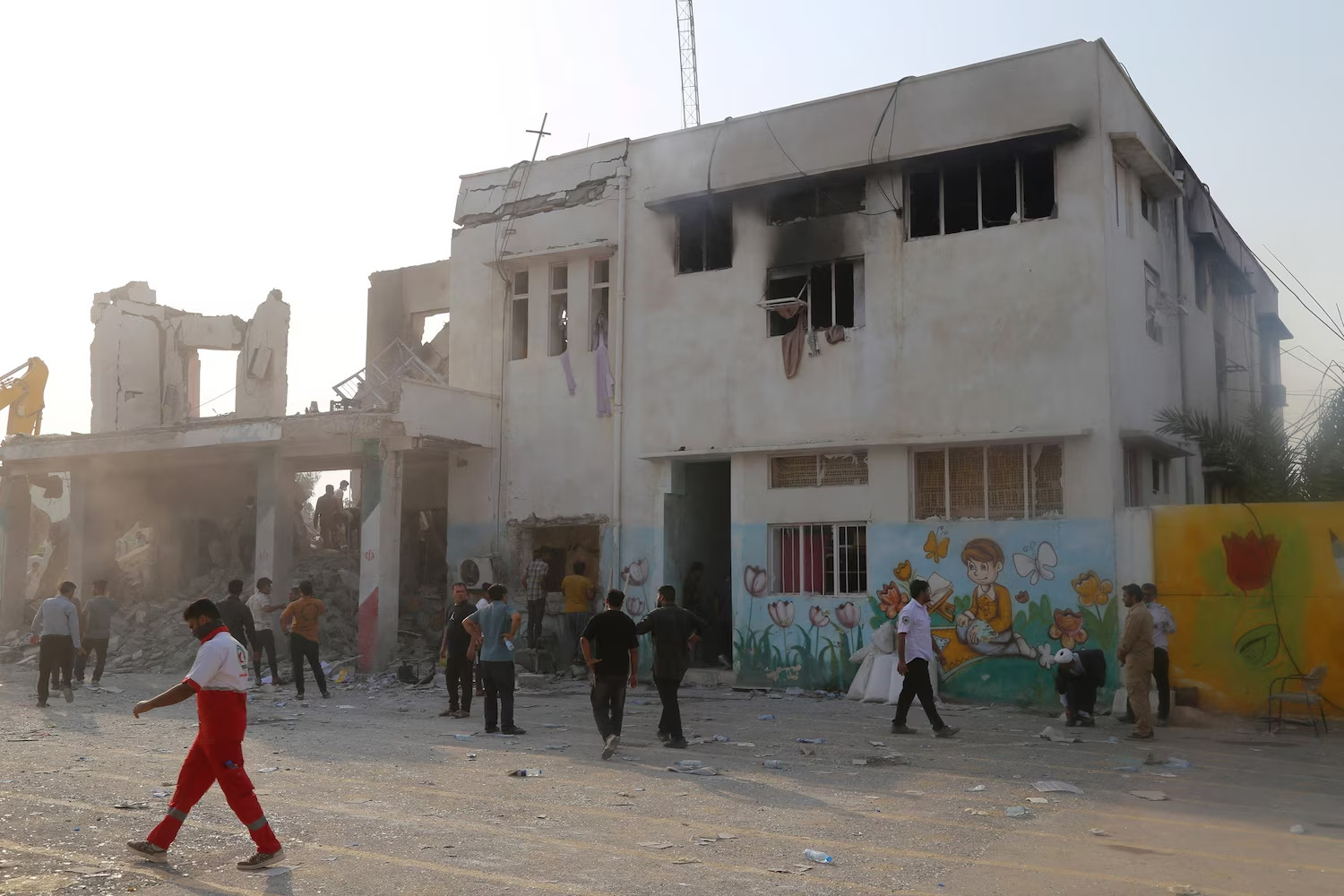
Recently, new concerns have emerged regarding Russia’s potential role in the conflict, as well as the responsibility for an attack near a girls’ school in Iran that reportedly killed dozens of children.
Such incidents could influence international perceptions of the war and intensify debates about its legitimacy and humanitarian consequences.
When asked by reporters about potential risks the conflict could pose within the United States, President Trump offered mixed responses. At times he suggested that Americans “should be concerned,” while at other moments he insisted that he was “not worried at all.”
The duration of the war, its objectives, and its possible domestic consequences remain uncertain. As the situation continues to evolve rapidly, the gap between the administration’s statements and the realities of the conflict may become an increasingly central issue in political debate in the United States.