Iran’s New Leader and Oil Price Surge
TEXT : Royce Watson
The situation in the Middle East has entered a new and volatile phase. Following the death of Iran’s Supreme Leader Ali Khamenei in an airstrike, senior clerics have appointed his son, Mojtaba Khamenei, as his successor. As military clashes involving Israel and Iran continue, Iranian officials warn that the war has entered a “new phase.” At the same time, ongoing airstrikes and missile attacks across the region have shaken global energy markets, sending crude oil prices above $100 per barrel. The sharp rise has sent shockwaves through financial markets worldwide.
Iran’s senior religious leadership has appointed Mojtaba Khamenei, the son of the late Supreme Leader Ali Khamenei, as the country’s next supreme leader following his father’s death in an airstrike. The death of the long-time ruler marks a major turning point in Iran’s political leadership and could significantly reshape both domestic and international dynamics.
Mojtaba has long been regarded as an influential figure within Iran’s religious and political establishment, with reported close ties to the Islamic Revolutionary Guard Corps. His appointment is expected to play a crucial role in determining the direction of Iran’s response amid the ongoing military confrontation in the region.
However, U.S. President Donald Trump had previously expressed strong opposition to Mojtaba assuming leadership. Trump described the possibility as an “unacceptable option,” raising concerns that the leadership transition could further intensify tensions between Washington and Tehran.
The military confrontation is expanding beyond the immediate conflict zone and spreading across the wider Middle East. Gulf states have reported new airstrikes, and dozens of people were injured in Bahrain following recent attacks.
In Saudi Arabia, another U.S. soldier was reported killed, bringing the total number of American military fatalities linked to the conflict to seven. U.S. military installations and facilities in the region have increasingly become potential targets, further heightening regional tensions.
Security analysts warn that the confrontation between Iran and Israel could escalate into a broader regional conflict involving multiple Gulf nations. Governments across the region have strengthened air defense systems while closely monitoring potential disruptions to air travel routes and maritime shipping lanes.
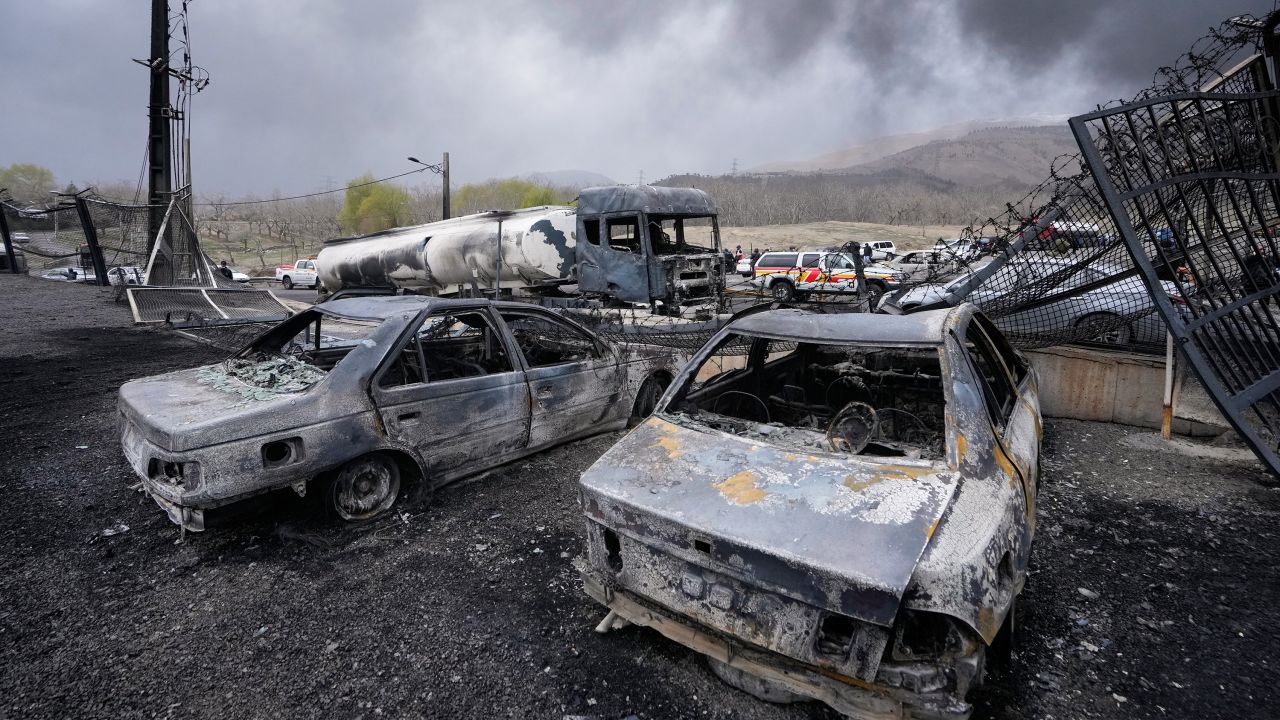
The Israeli military announced that it has launched new strikes targeting Beirut in Lebanon as well as locations in central Iran. In response, Iran announced additional missile launches only hours after naming its new supreme leader.
Iranian officials stated that the war has now entered a “new phase,” suggesting that further military escalation may be imminent.
U.S. President Donald Trump said that the United States would work alongside Israel in determining the path toward ending the conflict, although any concrete prospects for a ceasefire remain unclear.
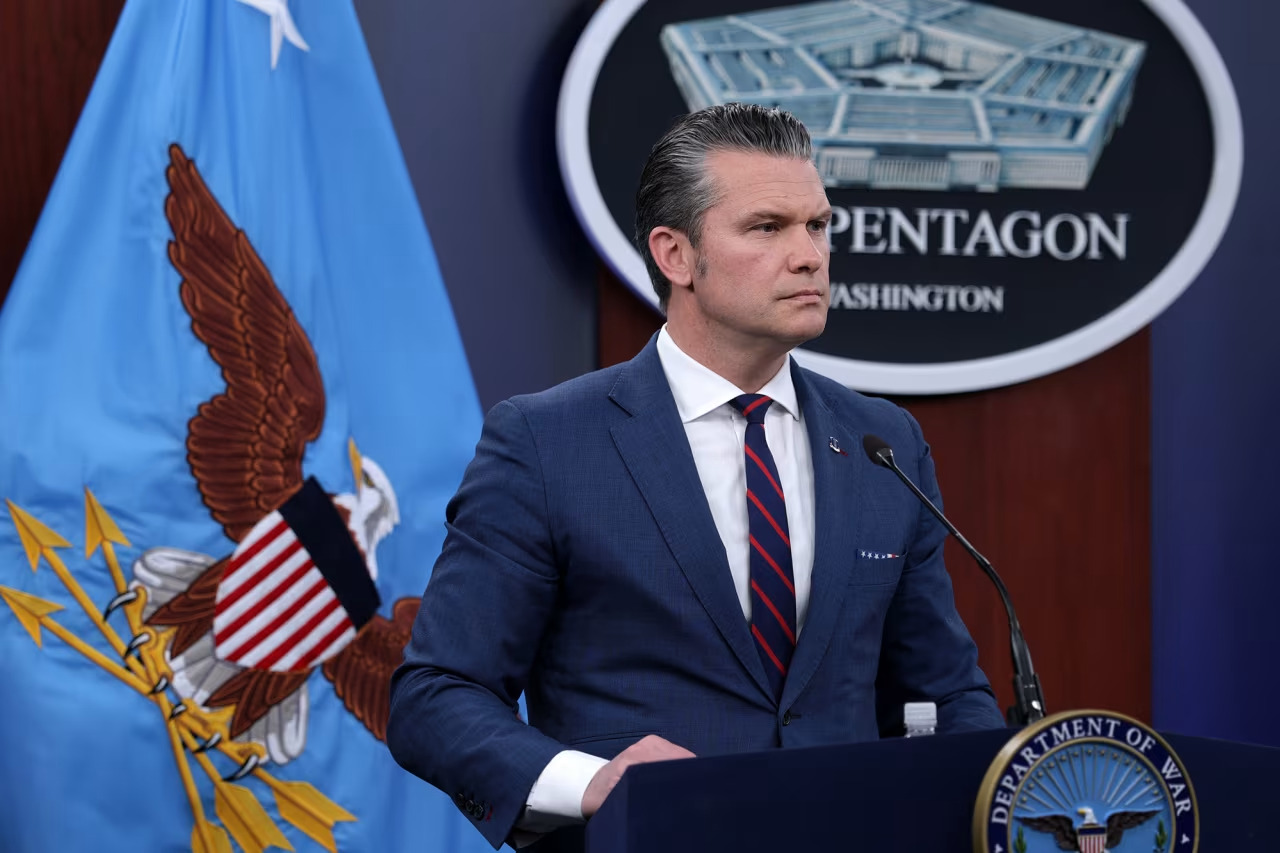
Meanwhile, newly released footage appears to confirm that a U.S. airstrike targeted an Iranian naval base located adjacent to a school. Defense Secretary Pete Hegseth stated that the United States is “still investigating” the incident, while President Trump has blamed Iran for the situation.
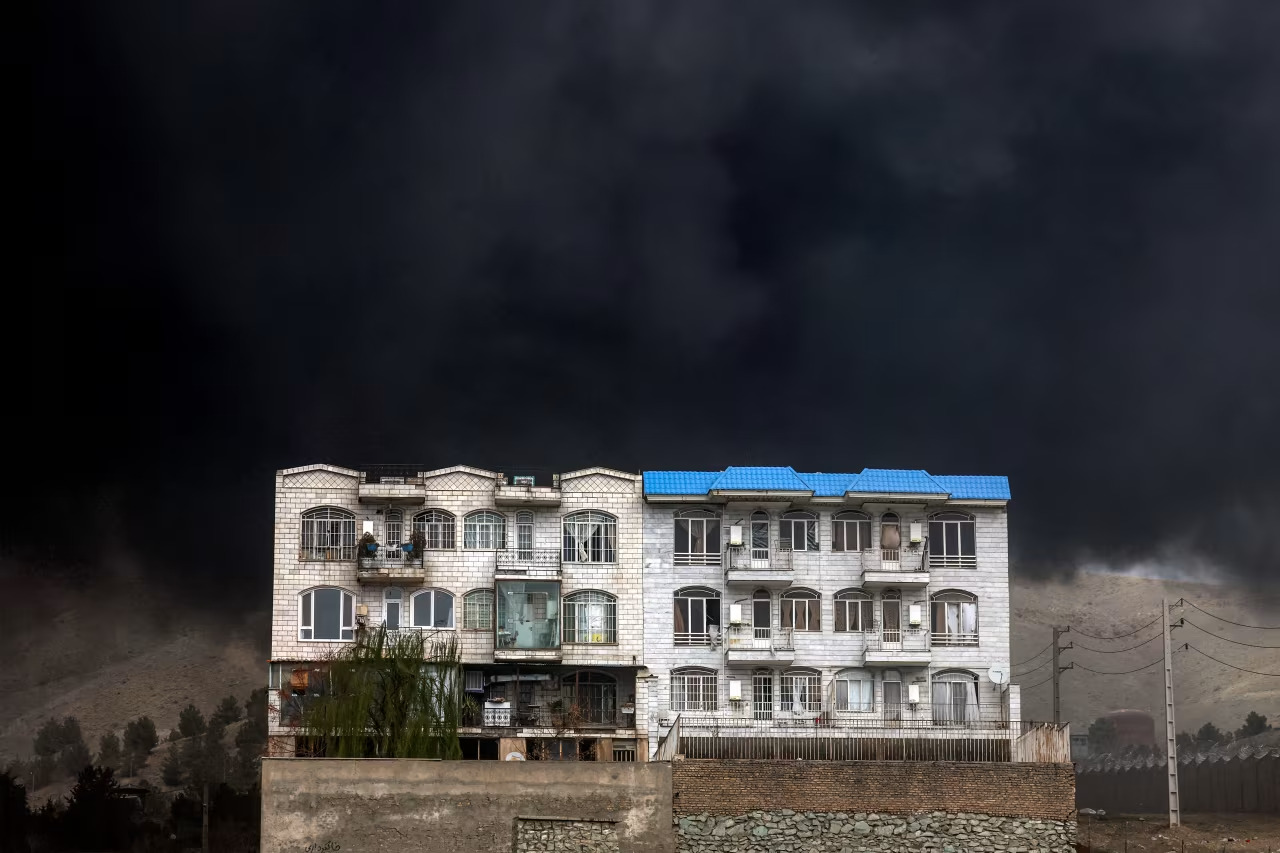
The widening conflict has also had a significant impact on global energy markets. As tensions in the Middle East intensified, crude oil prices surged past $100 per barrel, reaching their highest level in about four years.
Amid growing concerns about potential disruptions to oil supplies, Asian stock markets declined, with investors moving toward safer assets. Rising energy prices could also create renewed inflationary pressure on the global economy.
Market analysts warn that oil prices could climb even higher depending on how the conflict evolves in the coming weeks. The Middle East remains a critical hub for global energy supply, and instability in the region can have far-reaching economic consequences.
The emergence of a new Iranian leader, escalating military confrontation, and turbulence in global markets together signal that the Middle East is entering a critical moment—one that could shape political, military, and economic developments worldwide.