
U.S. Strikes on Iran Show Signs of Prolonged Conflict
TEXT : Peter Robertson
U.S. Defense Secretary Pete Hegseth sought to reassure the public about the sustainability of ongoing military operations as American forces continued their sixth consecutive day of strikes against Iran. With no clear endpoint or defined conditions for victory presented so far, concerns have been growing in Washington about the possibility of a prolonged conflict. At the same time, U.S. military officials say Iranian missile and drone attacks have declined sharply, suggesting the operation is having a measurable impact. As tensions remain high across the Middle East, attention is increasingly focused on the long-term strategy and endurance of U.S. military power.
The U.S. Department of Defense confirmed that American forces have carried out military strikes against Iran for six consecutive days. The operation has significantly heightened tensions across the Middle East and sparked debate in Washington over the ultimate objectives and timeline of the campaign.
Against this backdrop, Defense Secretary Pete Hegseth addressed reporters on Thursday, attempting to ease concerns about the potential for a prolonged military engagement. Because the United States has not clearly defined what would constitute victory or when the operation might conclude, some policymakers have raised questions about the lack of a clear “exit strategy.”
Hegseth emphasized that U.S. forces remain fully prepared to sustain the operation. “We are not short on ammunition,” he told reporters. “Our stockpiles of defensive and offensive weapons allow us to continue this operation for as long as necessary.” His remarks were intended to highlight the readiness of the U.S. military and its ability to maintain the campaign if required.
Senior U.S. military officials say the ongoing campaign has significantly weakened Iran’s ability to carry out retaliatory attacks.
Admiral Brad Cooper, the commander of U.S. forces in the Middle East, told reporters that Iranian missile attacks have decreased by approximately 90 percent compared with the first day of the conflict. He also noted that drone attacks have declined by about 83 percent.
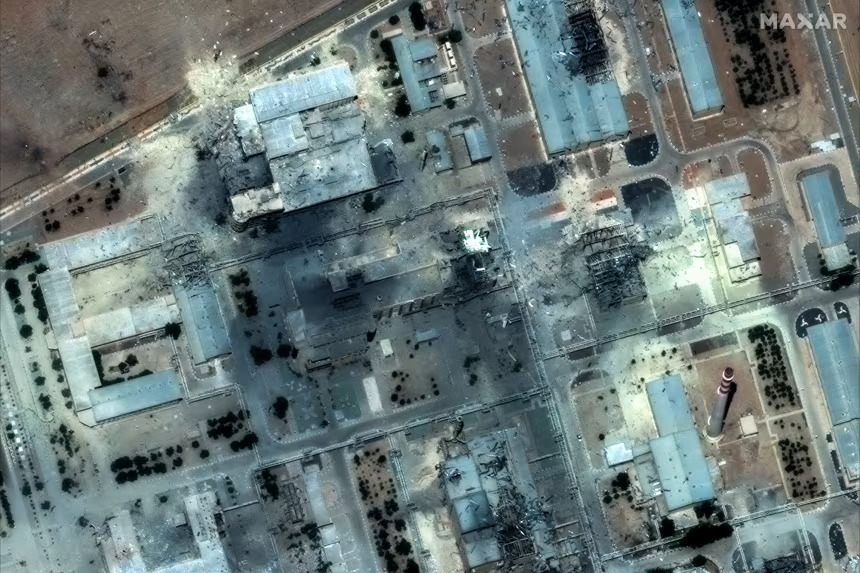
These figures suggest that sustained U.S. strikes may be damaging Iran’s military infrastructure and limiting its ability to launch large-scale attacks. Military analysts believe key facilities such as missile launch sites, drone bases, and supply networks may have been targeted during the operation.
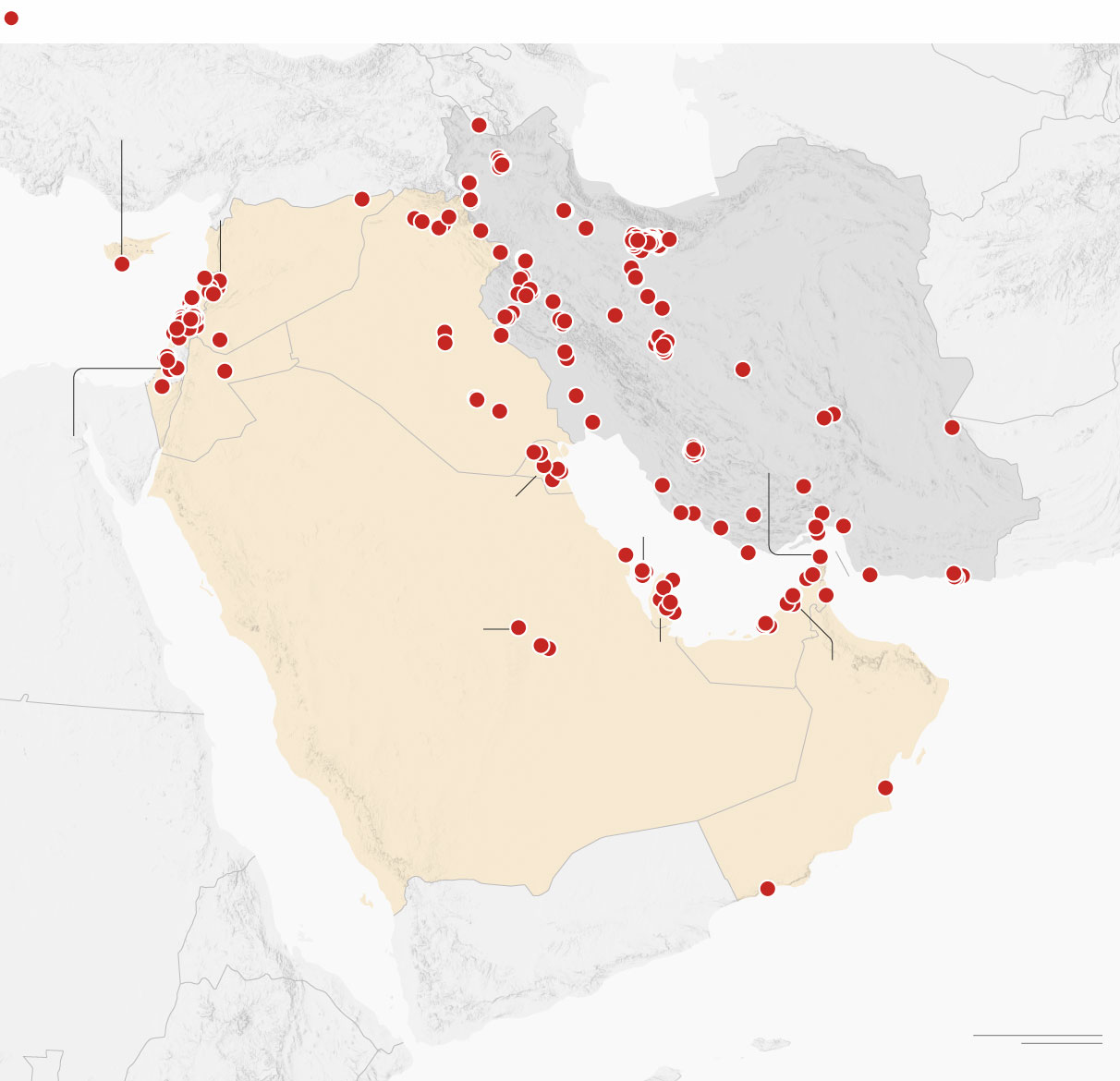
However, despite the significant decline in attacks, Iran’s retaliatory capability has not been completely eliminated. U.S. forces across the Middle East remain on high alert, and regional tensions continue to run high.
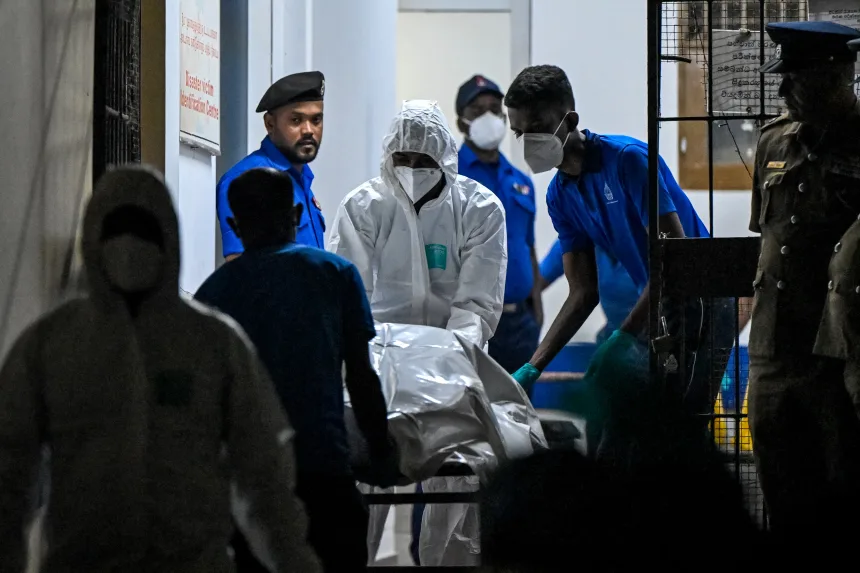
Despite the reduction in Iranian attacks overall, the conflict has already resulted in casualties among U.S. personnel. On Sunday, six American soldiers were killed in Kuwait following a drone strike attributed to Iranian forces.
The incident underscored that Iran still retains the capacity to inflict damage on U.S. forces in the region. Drone warfare, in particular, has become one of the most persistent threats faced by American troops deployed across the Middle East.
Addressing the situation, Hegseth stated that Iran hopes the United States will be unable to maintain its current military posture. “Iran hopes that we cannot sustain this situation,” he said. “That is a very serious miscalculation.” His remarks signaled Washington’s determination to continue the operation despite the risks involved.
At the same time, debate continues within the United States over the potential human and financial costs if the conflict becomes prolonged.
Behind the ongoing military campaign lies a broader effort by the United States to strengthen its defense capabilities in recent years. Modern precision missiles and advanced defense systems are extremely expensive, and replacing them can take years due to the complexity of production.
To address these challenges, the Pentagon has made significant investments in expanding weapons development and production capacity. In 2025, a congressional reconciliation bill allocated 25 billion dollars for ammunition procurement, strengthening U.S. military stockpiles.
In addition, in January 2026, defense contractor Lockheed Martin announced that it had reached an agreement with the Pentagon to accelerate missile development. The initiative is aimed at increasing the speed of weapons production and ensuring the United States can sustain military operations during extended conflicts.
As instability in the Middle East continues to grow, the question of how far U.S. military operations may expand—and how sustained military pressure may reshape the region’s security environment—remains a key concern for the international community.