
Trump-Led “Peace Commission” Launches
TEXT:Alex Branchatte
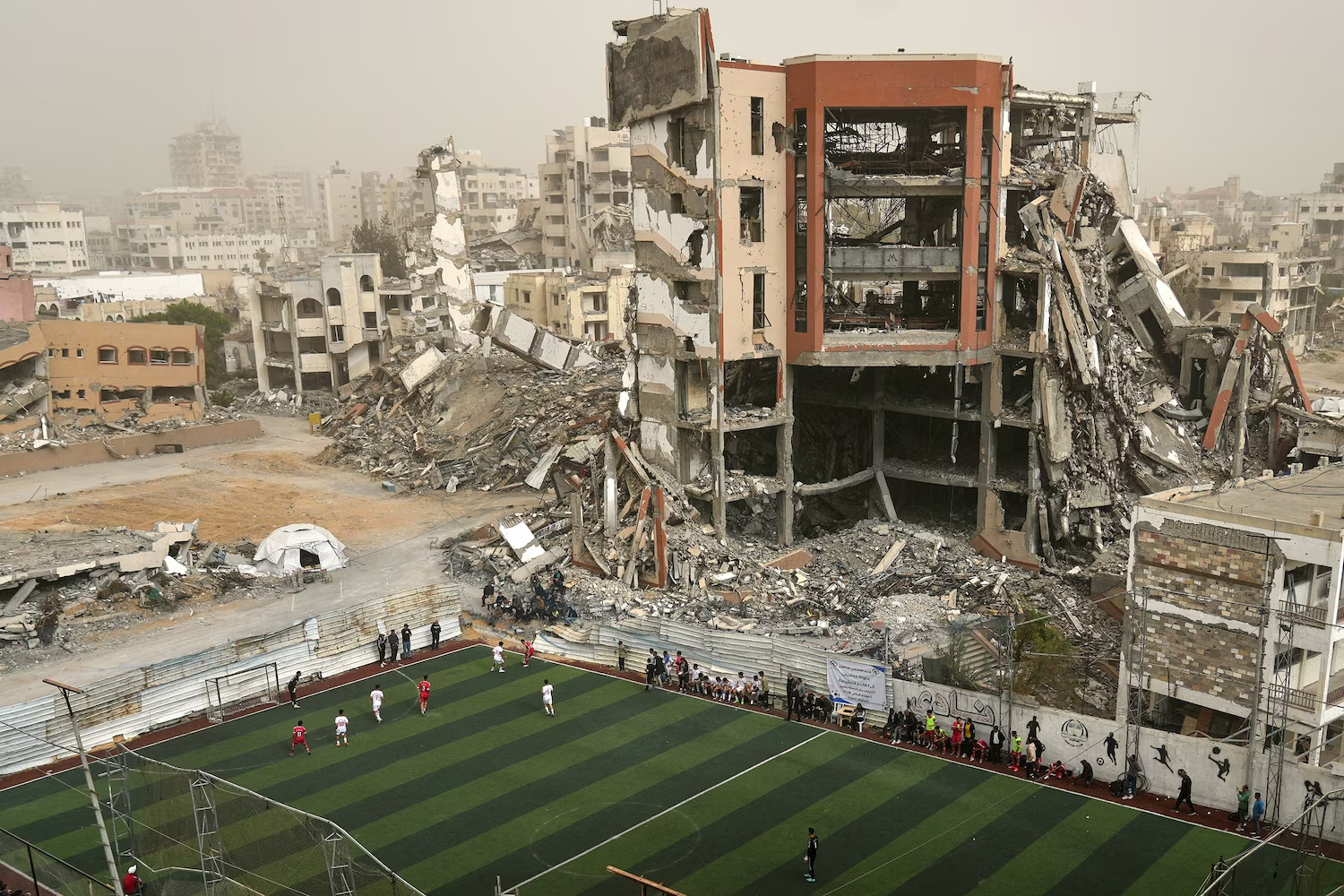
President Donald Trump’s newly established “Peace Commission” is set to hold its first official meeting in Washington this week, where member nations are expected to announce a pledge of $5 billion for the reconstruction of war-torn Gaza. While the initiative promotes an ambitious redevelopment vision and the deployment of an international stabilization force, concerns are mounting that it could evolve into an alternative framework to the United Nations.
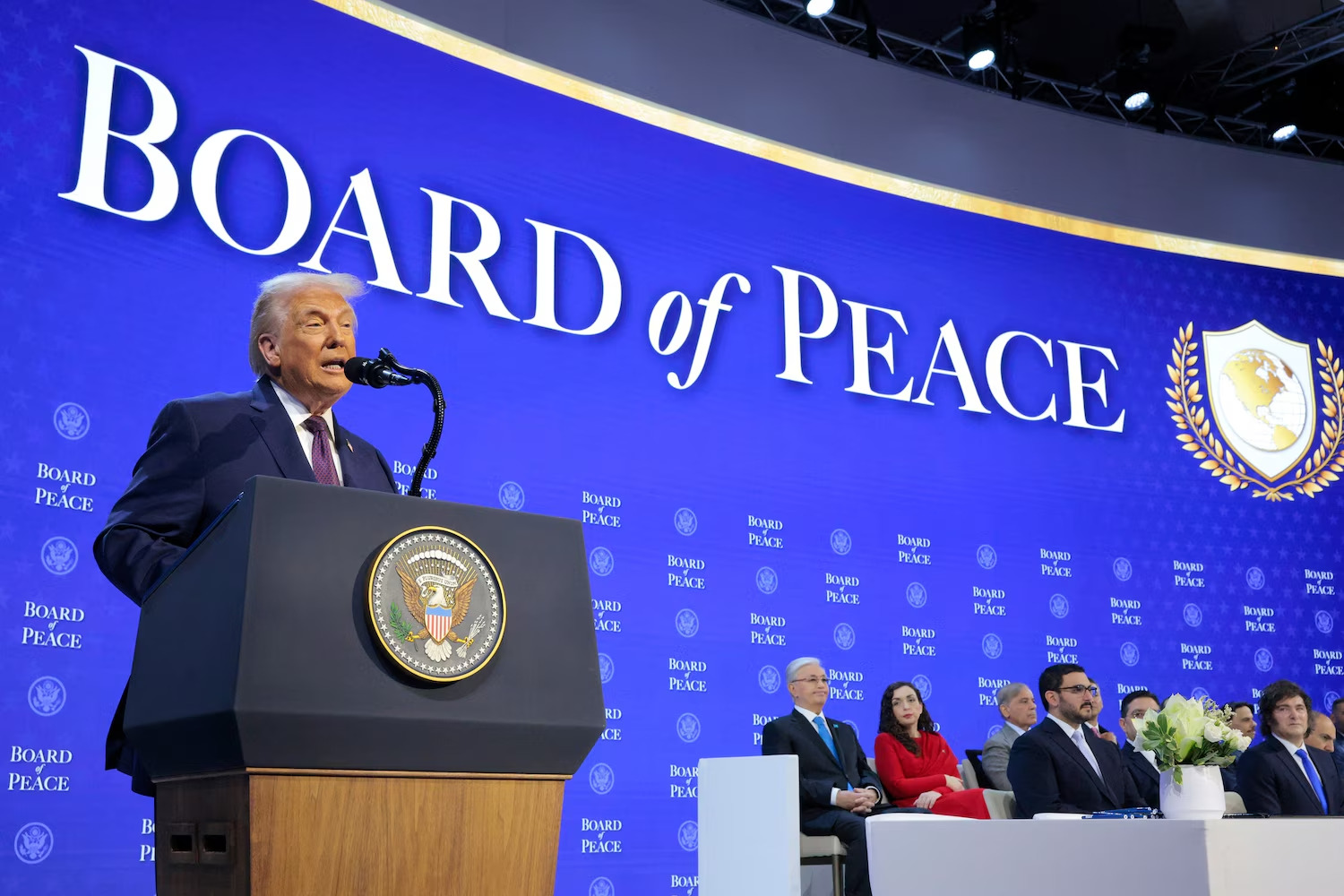
In a post on social media, Trump stated that he will reconvene members of the Peace Commission on February 19 at the “Donald J. Trump Institute of Peace” in Washington, D.C. He announced that member states have pledged more than $5 billion for humanitarian and reconstruction efforts in Gaza and will deploy thousands of personnel to an international stabilization force and local police units to maintain security and peace in the territory.
The commission, established in January, will be holding its first official gathering this week. Last month, around 20 founding members met in Davos, Switzerland, to formally celebrate its launch. Trump described the initiative as “a first step toward a bold vision for the civilians of Gaza—and ultimately for world peace.”
The initiative follows a restructuring of the U.S. Institute of Peace. Earlier this year, as part of broader government efficiency measures that reduced U.S. foreign assistance, much of the institute’s board and staff were dismissed, significantly downsizing the organization. In December, it was renamed the “Donald J. Trump Institute of Peace.”
More than 20 countries have accepted invitations to join the Peace Commission, including Middle Eastern nations such as Israel, Qatar, Saudi Arabia, Turkey, and Egypt. Notably, none of the United States’ major European allies have joined the governing board. Several countries have expressed concern that the body could serve as an alternative to the United Nations framework.
According to a damage and needs assessment conducted last year by the United Nations, the European Union, and the World Bank, rebuilding Gaza could take years and cost more than $70 billion. The newly pledged $5 billion represents only a fraction of that total, though it may serve as an initial catalyst for broader reconstruction efforts.
Trump has declared that the Peace Commission “will become the most important international institution in history,” emphasizing the honor of serving as its chair. However, questions remain about how the commission will coordinate with existing international organizations and define its role within the broader global system.
At last month’s signing ceremony in Switzerland, Trump’s son-in-law and real estate developer Jared Kushner outlined elements of the commission’s redevelopment strategy. Kushner, who was involved in ceasefire negotiations between Israel and Hamas, presented a “master plan” that includes the construction of hundreds of skyscrapers, the development of new cities, and the creation of coastal tourism zones.
He estimated that construction would take two to three years and require at least $25 billion in investment. However, he stressed that the immediate priority over the coming months is the delivery of humanitarian aid to Gaza.
Balancing an ambitious urban redevelopment blueprint with urgent humanitarian needs will be no easy task. The new framework for Gaza’s reconstruction carries implications not only for the region but also for the broader dynamics of international politics. Whether Trump’s Peace Commission can demonstrate tangible results remains to be seen.