Wrecking-Ball Politics and a Shaken Global Order
TEXT : Dwight Mclegar
The world is now confronting the shockwaves of “wrecking-ball” politics led by U.S. President Donald Trump. The 2026 Munich Security Report warns that the U.S.-led international order, which has endured for more than 80 years, is facing unprecedented strain. Longstanding alliances and international norms are wavering, and a sense of unease and caution is spreading, particularly across Europe.
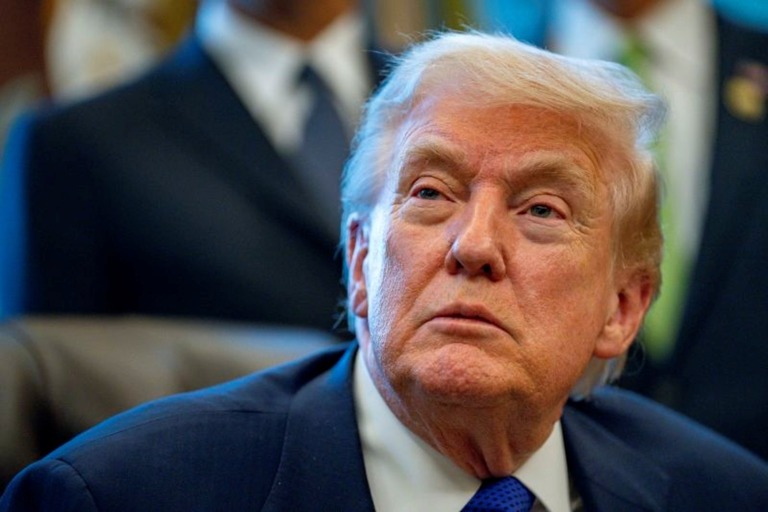
Released ahead of the Munich Security Conference scheduled for the 13th to 15th of this month, the annual report describes President Trump as “the most powerful actor” challenging existing rules and institutions. His political approach is likened to a wrecking ball used to demolish buildings.
The report states that “the U.S.-led international order established after 1945, more than 80 years in the making, is now being dismantled.” It singles out Trump as a particularly prominent “disruptor.” His readiness to renegotiate or apply pressure to the foundations of the postwar system—free trade, multilateral cooperation, and security alliances—has heightened tensions across the international community.
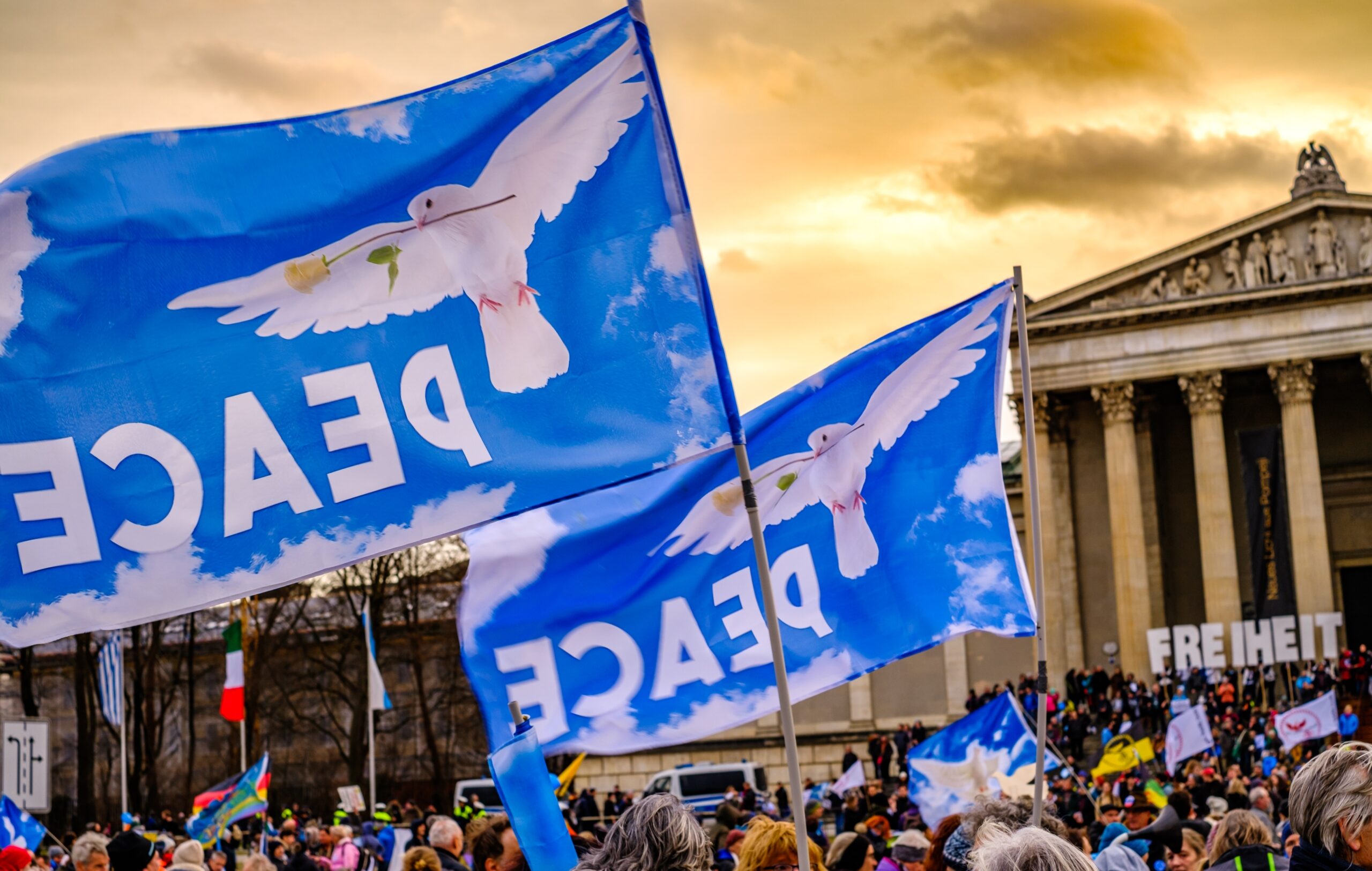
The impact has been especially pronounced in Europe. At last year’s Munich Security Conference, U.S. Vice President Vance sharply criticized European leaders over censorship and immigration policies. Declaring that “the threat to Europe comes not from outside, but from within,” he sent shockwaves through the audience.
Delivered just weeks after the launch of Trump’s second term, the speech came to symbolize a turbulent year ahead. The sight of allies—long united by shared values—openly clashing in public challenged the very assumptions that have underpinned the postwar order.
Over the past year, the United States has signaled punitive tariffs against close European allies, advancing a tough trade policy framed under the banner of economic security. In practice, however, such measures have taken on the character of political leverage.
Further controversy arose when Trump mentioned the possibility of seizing Greenland from Denmark, a fellow member of the North Atlantic Treaty Organization (NATO), and hinted at military action. NATO is founded on the principle of collective defense, and the emergence of sovereignty disputes within the alliance is highly unusual. In addition, Washington’s posture toward Russia in response to its invasion of Ukraine—perceived as showing a degree of consideration toward Moscow—has deepened European distrust.
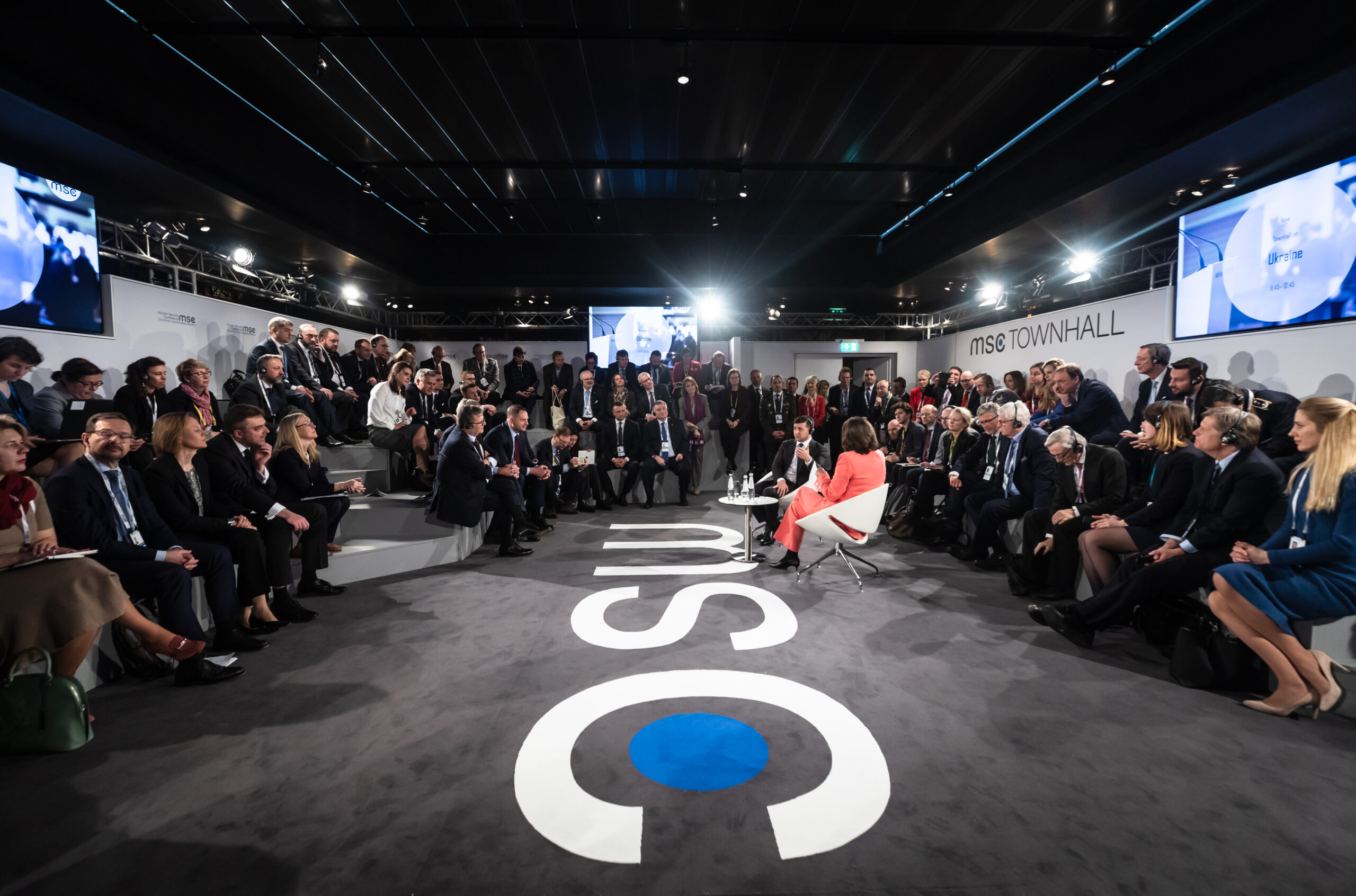
Against this backdrop, more than 50 heads of state and government are expected to attend the Munich Security Conference, according to organizers. As divisions widen across the international community, this year’s gathering is drawing more attention than ever as a forum to assess the future of global security.
The central question is how to redefine relations with the United States. Will Europe accelerate efforts toward greater defense autonomy, or seek to rebuild alliances through dialogue? Countries in Asia and the Middle East are likewise being compelled to recalibrate their strategies in response to Washington’s evolving foreign policy stance.
Will new order emerge from disruption, or will division become entrenched? Eighty years after the end of World War II, the international system stands at a critical crossroads.