
The Uncomfortable Truth About the International Order
TEXT : Dean Lawson
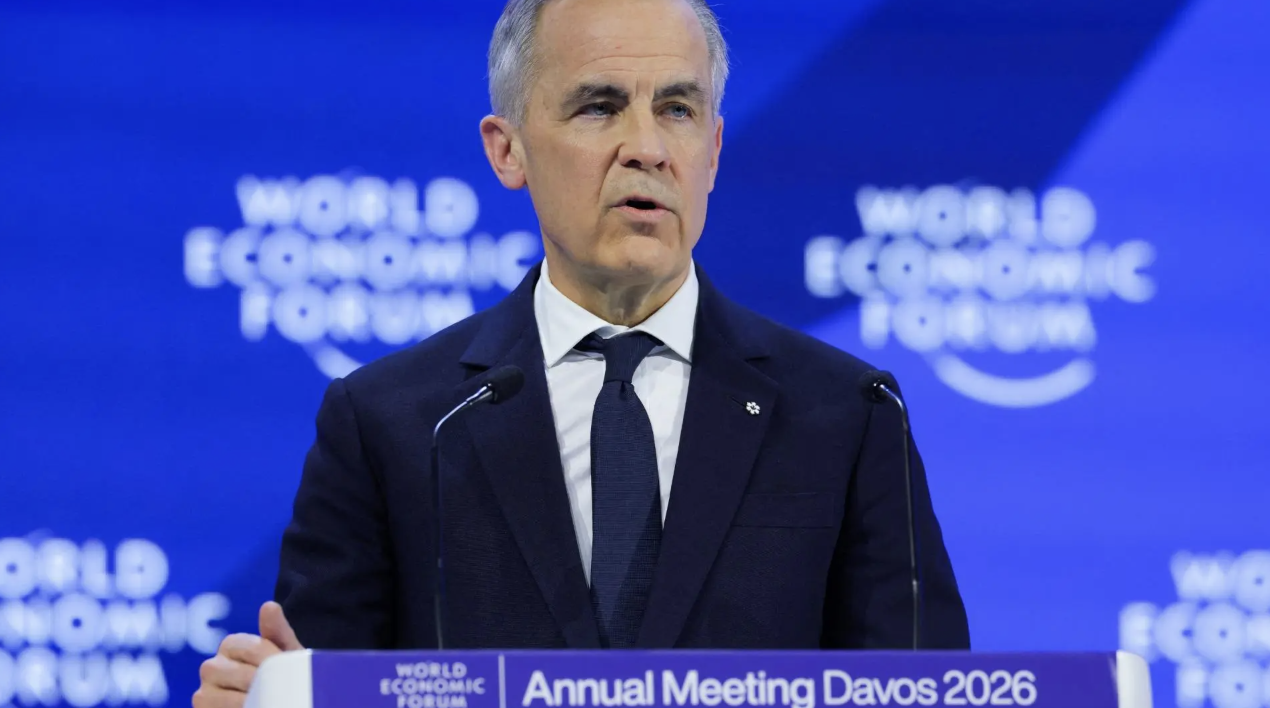
On January 20, 2026, at the annual meeting of the World Economic Forum in Davos, Switzerland, remarks delivered by Canadian Prime Minister Mark Carney instantly transformed the atmosphere in the hall. “The old order will not return,” he declared. “Nostalgia is not a strategy.” With these words, Carney squarely rejected the “wishful thinking” that the international community had long shared but rarely confronted head-on.
Since the end of the Cold War, the international order built on free trade and multilateral cooperation had been widely regarded as an “irreversible progression.” Rule-making centered on the World Trade Organization (WTO), the stability of the international financial system, and the gradual expansion of democracy all rested on an unspoken assumption: that time was on our side. Yet reality has quietly—and decisively—betrayed that assumption.
The prolonged U.S.–China rivalry, Russia’s resort to the use of force, and chronic instability across the Middle East and Africa have turned great-power competition into the norm rather than the exception. Multilateral institutions, meanwhile, are increasingly dysfunctional as venues for consensus-building. This was a reality everyone recognized, yet hesitated to articulate clearly. Carney chose to do precisely that.
What stands out is that his message was not one of destruction, but of resolve. Carney did not deny the value of mourning the loss of the old order. Instead, he rejected clinging to it as a viable strategy. Policies and institutional designs premised on past success stories can no longer cope with today’s realities. What is required, he argued, is not sentimentality but reconstruction—a call for shared recognition.
The weight of his remarks also stems from who delivered them. Having worked extensively across both finance and public policy, and having served as a central bank governor as well as a political leader, Carney understands firsthand the gap between the ideals of order and the realities of crisis management. That such a figure stated unequivocally that the old order “will not return” carries profound significance.
The international community now stands at a crossroads. One path leads toward continued nostalgia for the past, accompanied by willful blindness to institutional fatigue. The other accepts an imperfect reality and seeks to redesign the rules and mechanisms of cooperation accordingly. The latter path is painful, but the former inevitably results in stagnation.
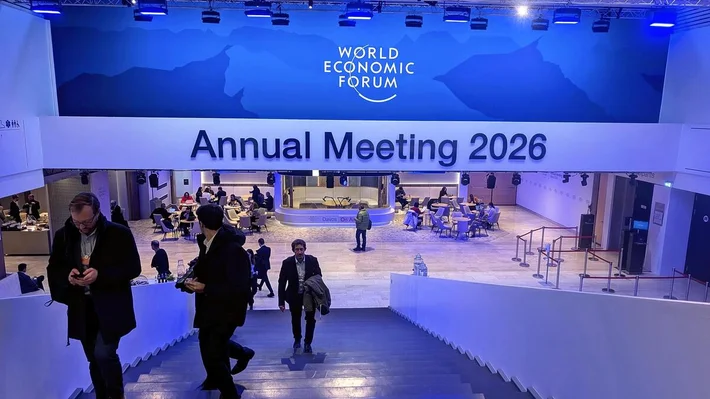
For decades, the Davos forum has been regarded as a symbol of global cooperation. Ironically, Carney’s remarks on that very stage cast doubt on the durability of that symbolism. At the same time, they also signaled a point of departure. Only by letting go of illusions can realistic hope begin to take shape.
Nostalgia may soothe the heart, but it cannot open the future. What Carney’s words ultimately revealed was not the end of the international order, but the harsh truth that responsibility for envisioning the next one rests with those of us living in the present.