
The Essence of Trump Politics as Seen Through Greenland
TEXT : Walt Mcgoeny
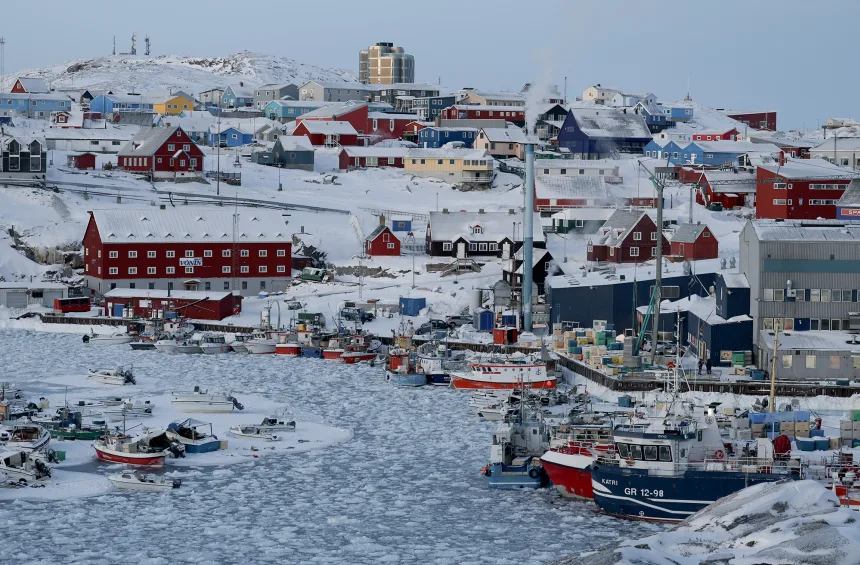
What was once dismissed with a laugh has now become the trigger for a diplomatic crisis shaking transatlantic relations. President Donald Trump’s fixation on Greenland is not merely a territorial issue. It symbolizes a Trumpian worldview that sees alliances not as a “community of shared values,” but as a “venue for transactions”—a mindset that is steadily transforming the international order itself.
Earlier this year, President Trump was questioned by reporters about Greenland while aboard a plane returning from an extended stay in Palm Beach, Florida. For a moment, he appeared at a loss for words. “How did this even get to that point?” he asked. The reaction suggested that a debate he himself had ignited was expanding at a pace beyond even his own expectations.
When Trump first mentioned the idea of “purchasing” Greenland during his initial term in office, it was widely regarded as a bizarre and unrealistic proposal. Today, however, his remarks on Greenland have evolved into a serious issue encompassing national security, Arctic strategy, and alliances with Europe. And it is the president himself who is driving that debate forward.
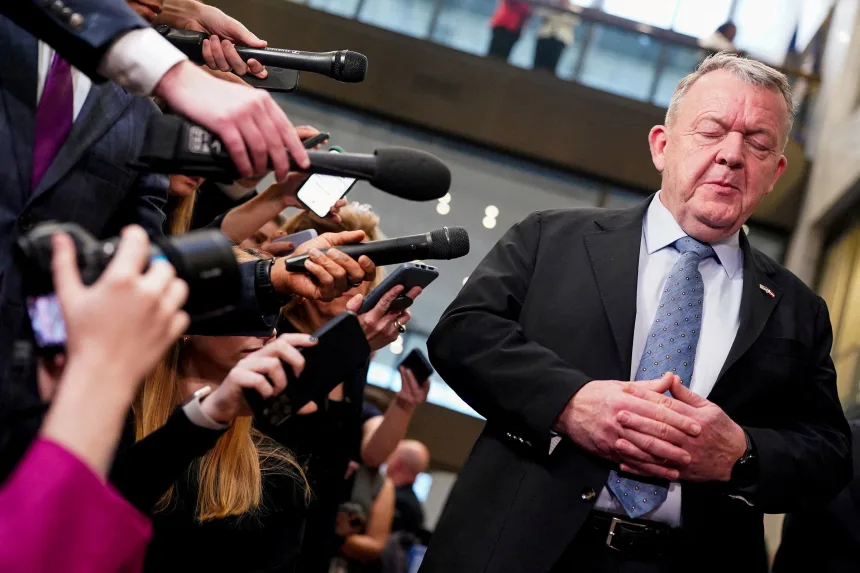
Underlying this shift is a defining feature of Trump politics. For him, relations between states are not grounded in shared values or principles, but are instead a series of perpetually renegotiable “deals.” Tariff hikes, military pressure, and the redefinition of alliances are all treated as bargaining chips to tilt negotiations in his favor.
Within the administration, opinions remain divided. Some realists argue that while Greenland does not need to become a U.S. state, placing it under American-led control is essential. Others warn that openly declaring a goal of full control could irreparably damage the alliance between the United States and Europe.
The shock on the European side has been particularly severe. Since World War II, the transatlantic alliance has been built on the shared values of democracy and the rule of law. Introducing notions of “domination” or “coercive negotiation” into that framework strikes at the very foundations of the alliance.
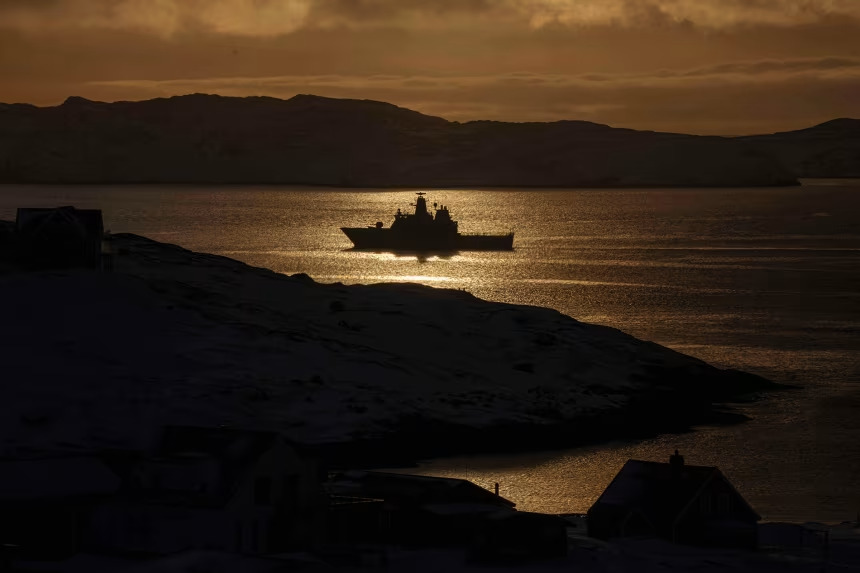
At the same time, Trump’s supporters tend to welcome this posture. Greenland—strategically vital for Arctic shipping routes, natural resources, and security—is seen as a symbol of a “strong America.” Expanding U.S. involvement there is perceived as directly serving national interests.
The real issue lies in the means used to achieve that end. Military insinuations and overt pressure may extract concessions in the short term, but over time they deepen mistrust and division. The growing sense of unease across Europe is evolving into a broader question: “Where will the next target be?”
It remains unclear whether President Trump ultimately seeks de facto control over Greenland, or whether he is simply advancing maximal demands as part of an “Art of the Deal” strategy to gain leverage. What is clear, however, is that this episode vividly illustrates a broader shift in 21st-century international politics—from alliances based on trust to relationships defined by transactions.
What began as an idea bordering on a joke has developed into a debate that could reshape the contours of the global order. That very process reveals the true nature of international politics in the Trump era.