
The Questions Raised by the Crans-Montana Fire
TEXT : Zaireu Emechuku
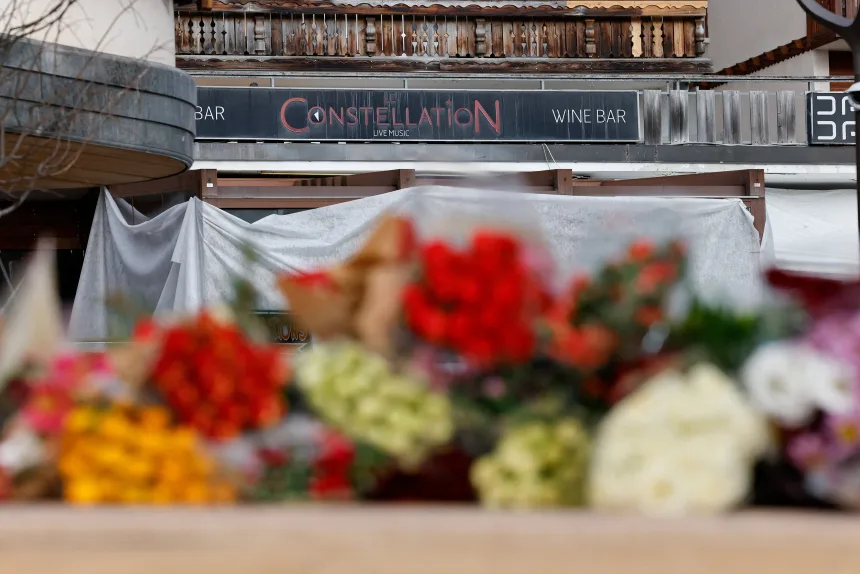
The bar fire that occurred at the luxury Swiss ski resort of Crans-Montana claimed the lives of young people who had gathered to celebrate the New Year in an instant. Many of the victims were minors, including 14- and 15-year-olds, raising serious questions about whether age verification and safety management were adequately enforced. Behind the glittering celebrations, deep-rooted structural issues faced by the local community and tourist destinations have come to light in a painfully stark way.
The fire broke out in a bar packed with young people celebrating the arrival of the New Year. A space filled with music and cheers was suddenly transformed into one of chaos and terror. According to police, the death toll reached 40, including 20 minors. More than 100 people were injured and are being treated in hospitals. What should have been a night symbolizing celebration turned, in an instant, into a disaster that will remain etched in the region’s history.
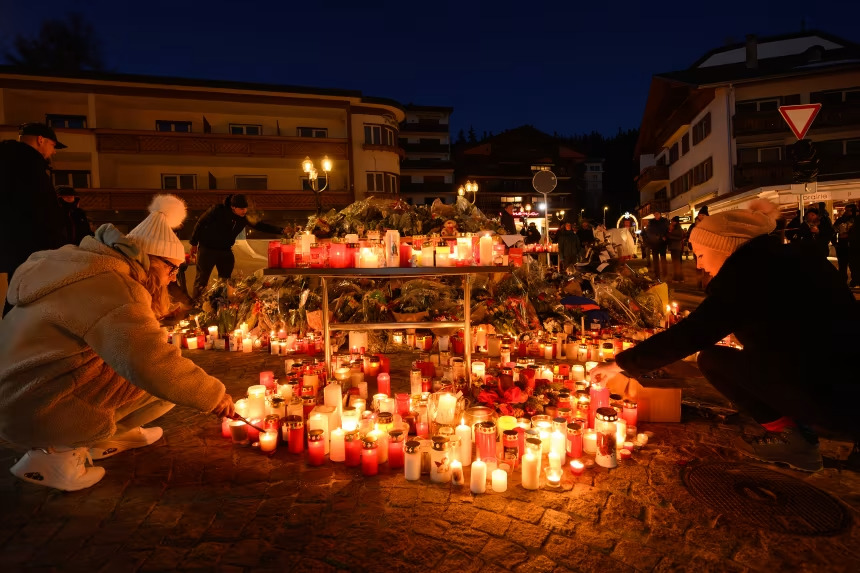
One of the most shocking aspects of this tragedy is the age profile of the victims. According to the latest information released by police, the dead included one 14-year-old Swiss national, two 15-year-olds, several 16- and 17-year-olds, as well as 16-year-olds of Italian nationality and dual nationality. The fact that nine of the newly identified victims were under the age of 18 underscores that this fire struck directly at the generation meant to carry the region’s future.
The presence of so many minors raises fundamental questions about whether age checks and entry controls at the bar were properly enforced. How was it possible for so many underage individuals to enter a venue serving alcohol? Did the “extraordinary” atmosphere unique to a tourist resort lead to a relaxation of regulations and safety awareness? Alongside the investigation into the cause of the fire, the adequacy of the management system and oversight responsibilities will come under intense scrutiny.
The impact of the tragedy extends beyond Switzerland. France’s Ministry for Europe and Foreign Affairs announced that eight of the deceased were French nationals. One person remains missing, while 23 others are receiving or have already received medical treatment. One injured person is currently being transferred to France, highlighting the international dimensions of the incident.
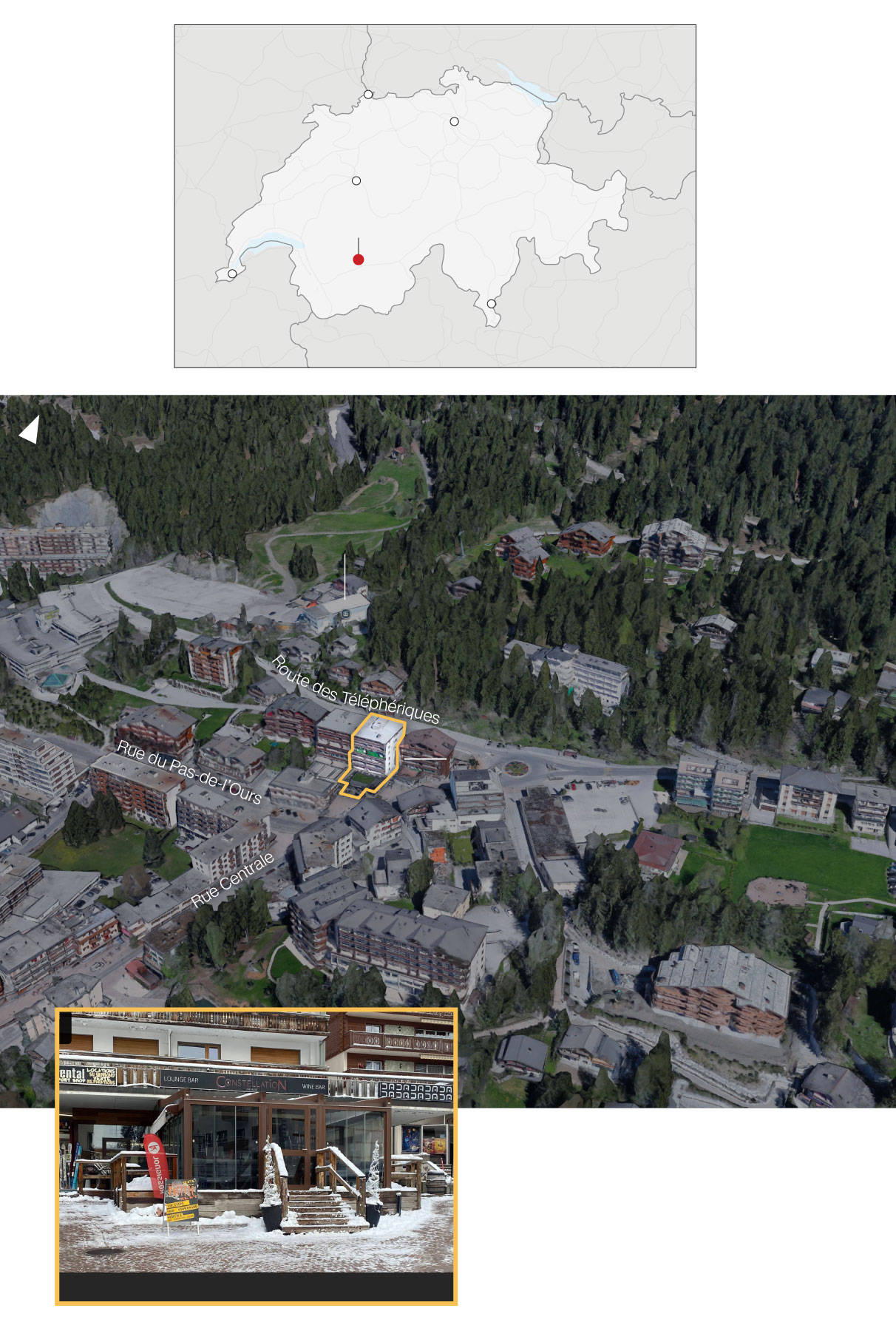
Valais canton, where Crans-Montana is located, relies heavily on tourism and attracts large numbers of young people during the winter season. This fire has exposed a fundamental challenge: how to balance the vibrancy of a tourist destination with the imperative of ensuring safety. Had safety measures and oversight been sidelined in the pursuit of economic activity? This question resonates not only in Crans-Montana, but across resort destinations worldwide.
Authorities continue to investigate the cause of the fire. Yet simply waiting for the findings will not be enough to fully confront the meaning of this tragedy. Were the systems designed to protect young lives truly functioning? Had regulations become little more than formalities? And amid the heightened emotions of celebration, did society lose its capacity to imagine risk and danger?
Forty lives were lost on a night meant to welcome the New Year—many of them belonging to young people just beginning their journeys in life. This fact deserves to be remembered long after the headlines fade. Whether this tragedy is dismissed as an unfortunate accident or becomes a turning point for reexamining safety and responsibility is a choice now quietly placed before society as a whole.