An ‘Uncertain Everyday’ That Venezuela Has Entered
TEXT : Patrick Willow
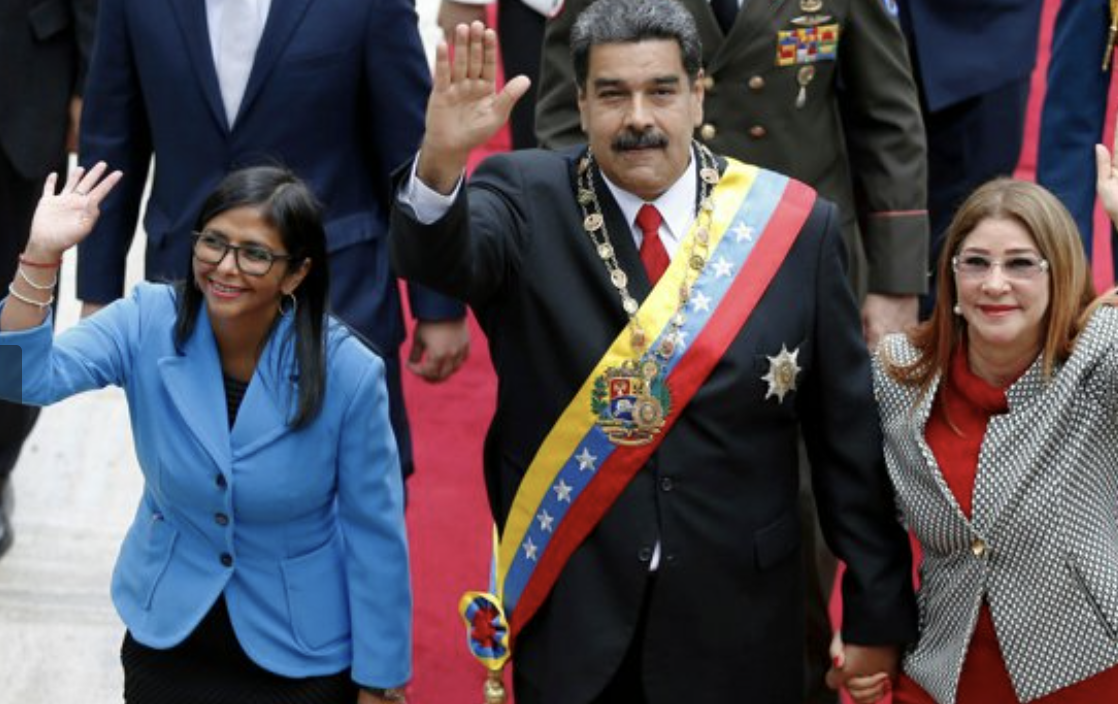
The sudden arrest and expulsion of Nicolás Maduro, who had occupied the center of power for the past twelve years, has pushed Venezuela into a new phase. Yet what now spreads across the streets of the capital, Caracas, is neither jubilation nor unrest, but a tense stillness. People are refraining from going out, cautiously trying to preserve their daily lives while preparing for the turmoil that may lie ahead.
Venezuela is now facing a power vacuum without a clear sense of direction. From outside the country, the fall of Maduro may appear to be the opening chapter of a regime change. Domestically, however, there is a strong sense that society as a whole has come to a halt, waiting cautiously to see how events will unfold. Walking through the streets of Caracas, shops remain open, yet customer traffic is sparse, and a certain wariness can be felt in people’s movements.
This “frozen moment” can be seen as the result of hope and fear holding each other in check. While there is undoubtedly hope for change, it is outweighed by a stronger fear that the turmoil of the past may return.
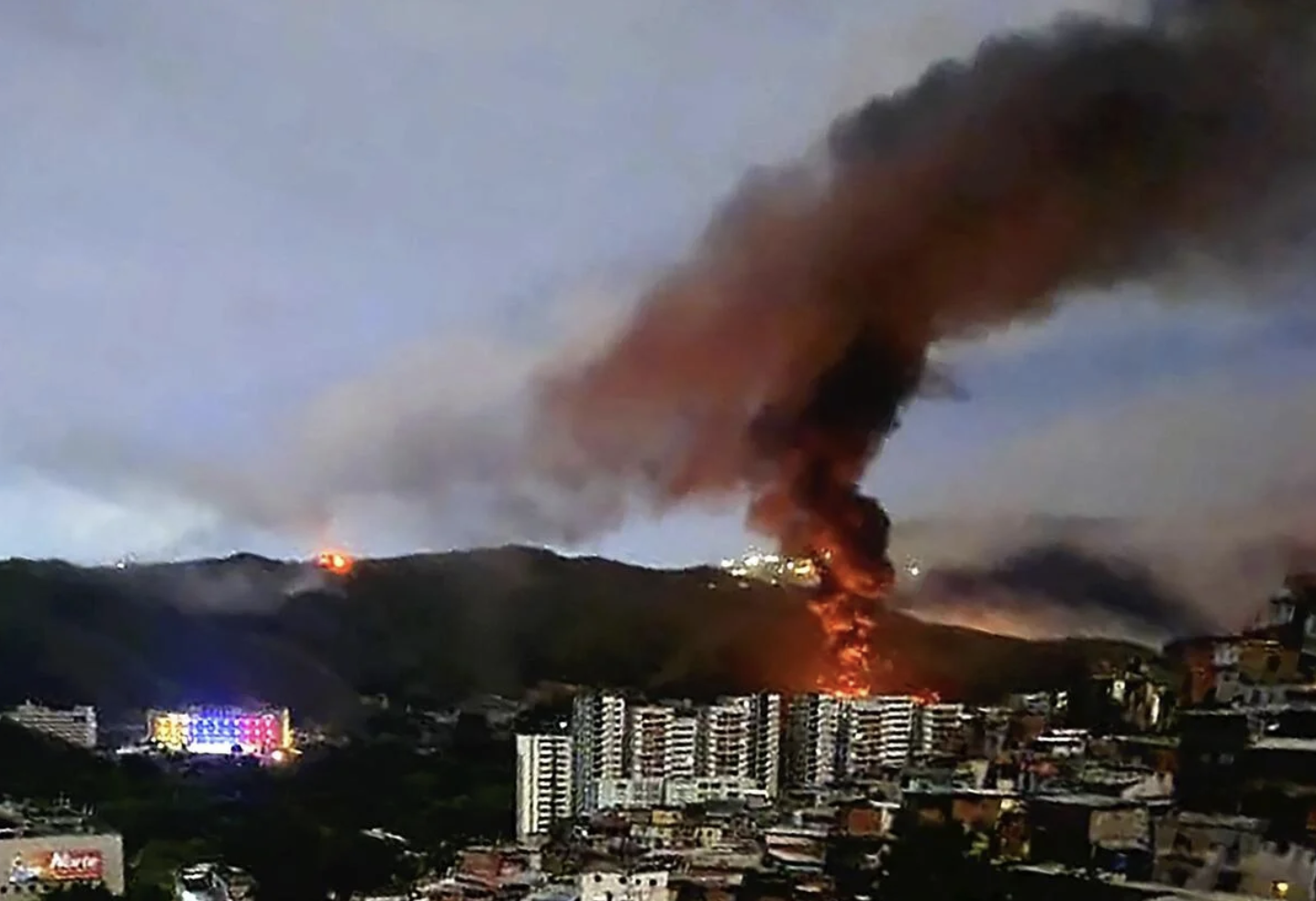
Security forces have stepped up vigilance across the country, and a tense atmosphere hangs over major roads and public facilities. The sight of armed soldiers offers a measure of reassurance to citizens, while simultaneously confronting them with the reality that this is not a time of normalcy.
Meanwhile, the presence of the government-backed paramilitary groups known as colectivos, long feared as unofficial enforcers of the regime, remains limited for now. Yet this quiet does not necessarily signal stability. Rather, the uncertainty surrounding when and how they might act only amplifies public anxiety.
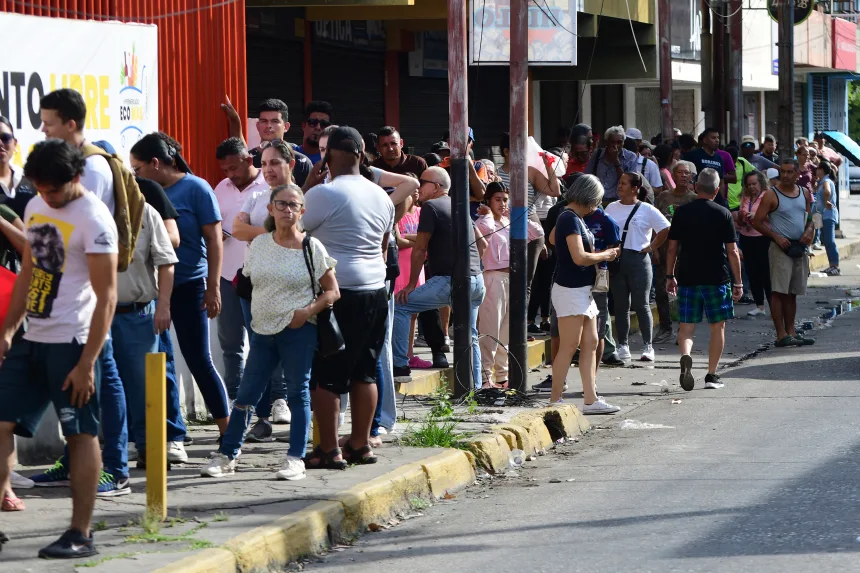
Public attention is focused less on political maneuvering and more on sustaining everyday life. Securing food, water, medicine, and batteries—items that have repeatedly run short during past crises—has become a routine response for many households.
This time, there are no conspicuous scenes of panic buying. But that does not mean there is no sense of crisis. On the contrary, through repeated experiences of economic collapse and social instability, Venezuelans have learned how to “prepare quietly.” Stockpiling is not an expression of fear, but a rational choice for survival.
The current political upheaval challenges the simplistic narrative that everything will change once a single leader is removed. Institutional fragility, economic exhaustion, and deep-rooted social distrust are problems that have accumulated over many years.
Even if a new political system were to take shape, there is no guarantee that everyday life would improve quickly. Many citizens understand this reality with clear eyes. That is precisely why restraint has prevailed—both in excessive expectations and in overt backlash—as people choose to wait and observe.
Today’s Venezuela is not in a phase of “choosing the future,” but rather one of “enduring while assessing.” People do not loudly proclaim ideals, and the city remains quiet. Yet beneath that silence lies a heartfelt desire not to see their lives further destroyed.
The hushed landscape of the capital is not a symbol of indifference. Instead, it reflects the collective caution of a society that has endured and survived repeated crises. Whether this uncertain era tilts toward chaos or opens the door to gradual reorganization may ultimately be determined not only by those at the center of power, but by the choices of ordinary citizens who continue to protect their daily lives in silence.