
The Uncertain Future of Fragile Peace Talks
TEXT : Dean Lawson
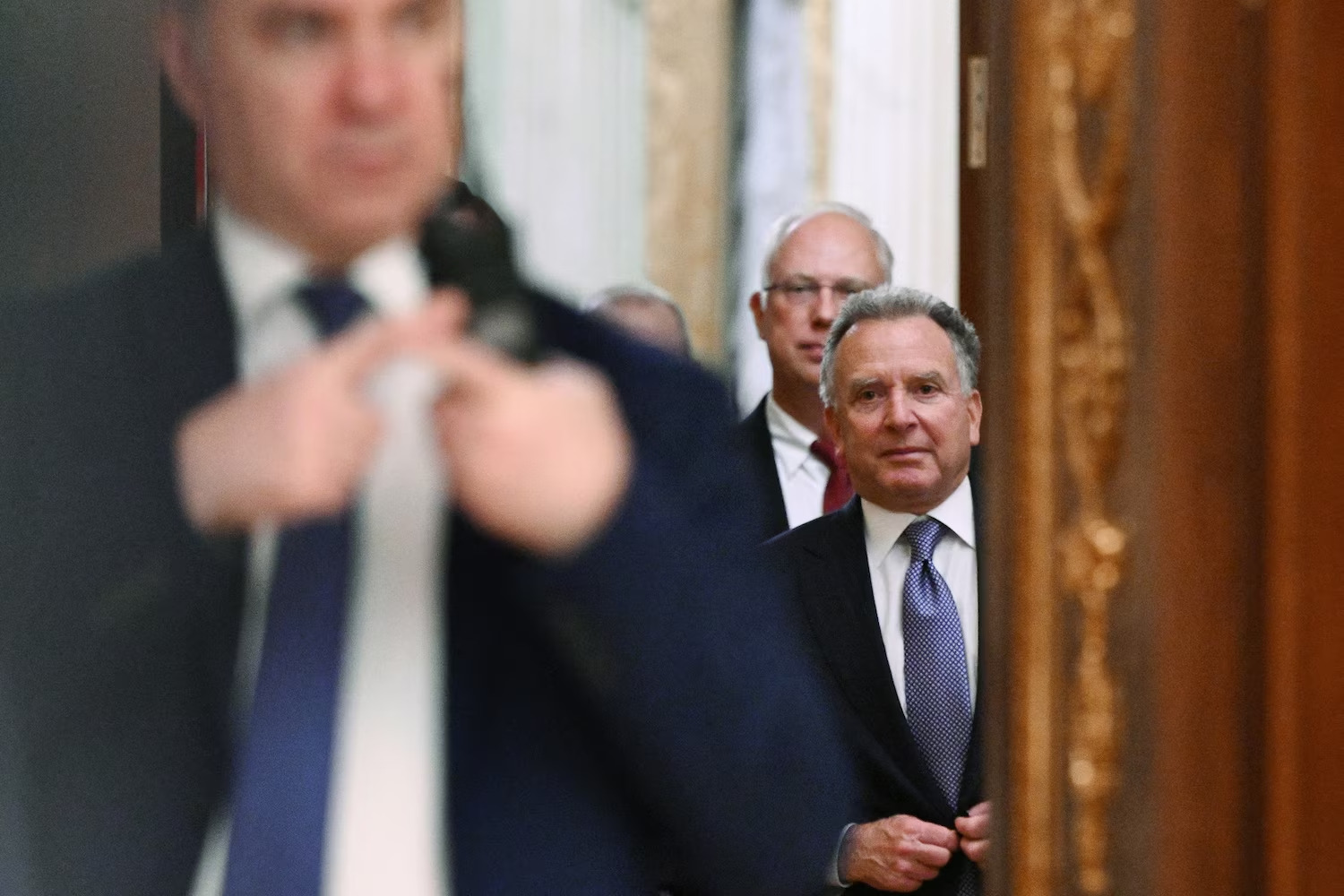
Several years have passed since Russia’s invasion of Ukraine began. Despite the shifting battle lines, no decisive signs of peace have emerged. Yet recently, a new diplomatic signal has captured global attention. According to U.S. officials, Ukraine’s chief negotiator is scheduled to meet U.S. special envoy Steve Witkoff in Florida this week. What has sparked further surprise is the possibility that Jared Kushner—former President Donald Trump’s son-in-law and previously an influential figure in diplomatic coordination—may join the meeting.
This development is no coincidence. Just two days prior, the Ukrainian delegation had been face-to-face with Russian President Vladimir Putin in Moscow. The Florida meeting suggests that Ukraine is navigating a delicate geopolitical balance between Russia and the United States as it searches for an exit strategy.
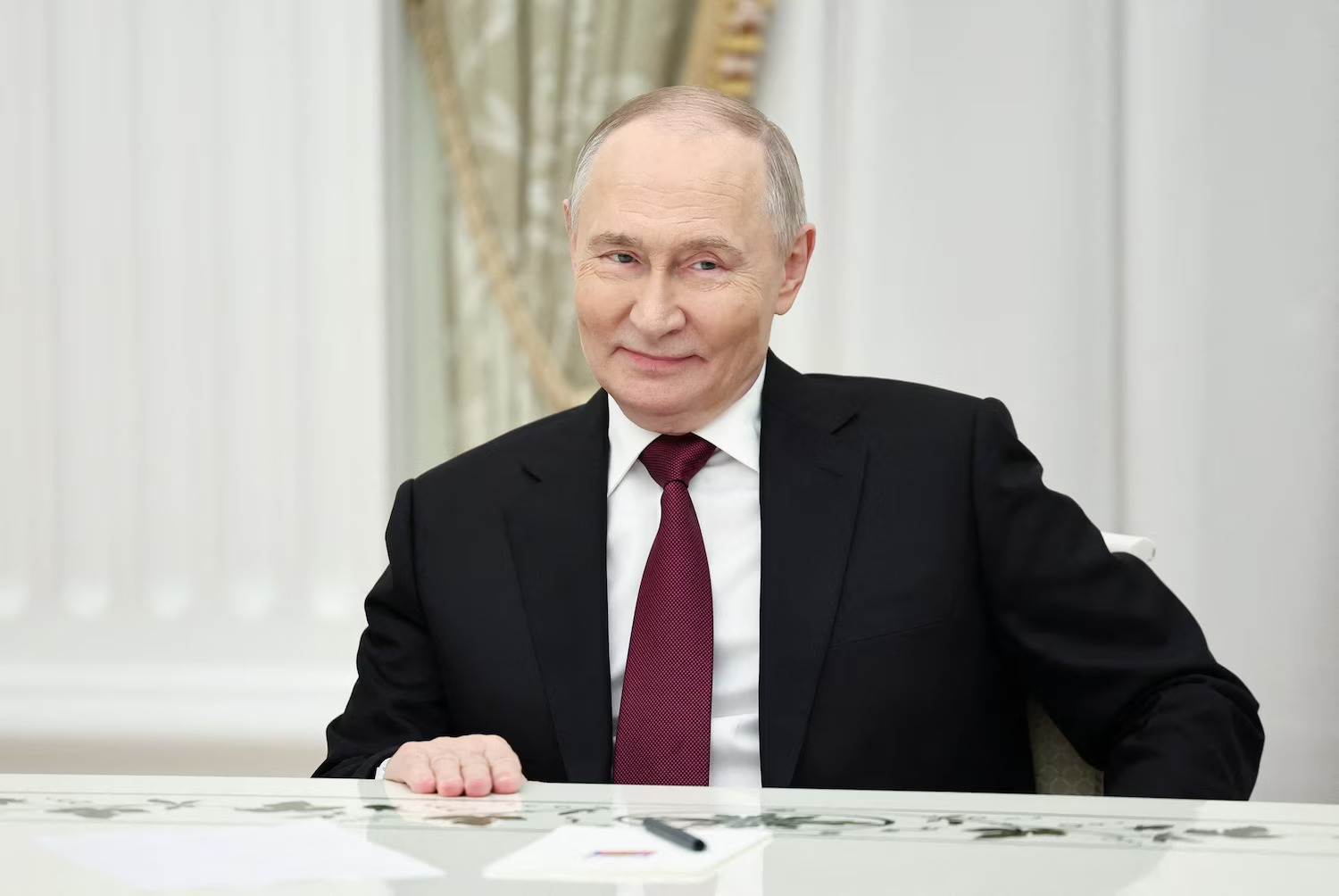
However, the substance of negotiations remains tense. In a recent interview, President Putin reiterated Russia’s demands, framing the fate of the Russian-controlled regions in eastern Ukraine as a binary choice: withdrawal or liberation. He argued that the referendums previously held by Russia justify the territory’s annexation.
But the international community has largely rejected this claim. At the United Nations General Assembly, 142 countries voted against Russia’s actions, denouncing the referendums as illegal. Only five nations—Russia along with Belarus, North Korea, Nicaragua, and Syria—supported the move. Moscow stands firmly isolated in global opinion.
Despite this, Putin shows no signs of backing down. In an interview with The Times of India, he asserted provocatively, “Ukrainian forces may prefer to fight, but now they have cornered themselves.” His political posture remains firmly rooted in military confidence.
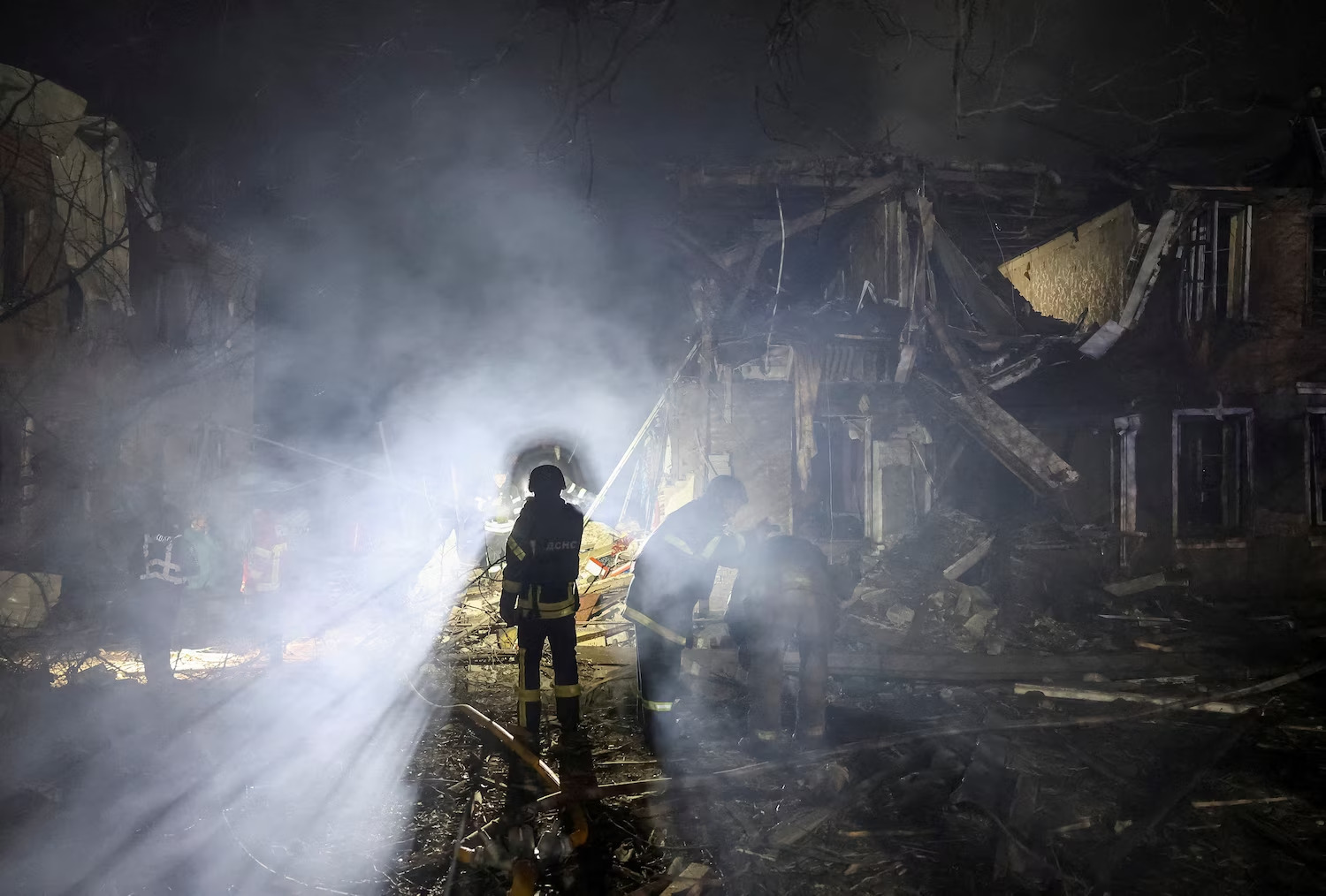
Meanwhile, Ukraine continues to defend its sovereignty at great human cost on the battlefield. The Zelensky administration has condemned Moscow’s demands as the logic of an aggressor and maintains that territorial negotiations are not an option. For now, the positions of both sides remain sharply and deeply divided.
That is the context surrounding the upcoming Florida meeting. In the United States, debates continue over whether military and financial support for Ukraine should continue, and public attention has declined compared to the early phase of the war. Against this backdrop, Kushner’s potential involvement—armed with residual diplomatic influence from the Trump era—holds symbolic meaning. His presence could subtly shift dynamics that formal diplomacy has thus far failed to move.
Yet expectations for an immediate breakthrough remain low. Russia insists on its perceived battlefield advantage, while Ukraine refuses to back down in its fight for national survival. Europe remains trapped between energy dependency and security pressures, and in the U.S., the looming presidential election risks turning diplomacy into a political tool.
One thing is clear: this war will not end through military force alone. It is now intertwined with a complex diplomatic struggle stretching across Moscow, Washington, and Kyiv.Rather than peace negotiations, these talks may represent the opening scene of the next geopolitical chapter.As the world watches closely, this series of meetings introduces new possibilities—and new tensions—into the unanswered question:
“How will this war end?”
The answer may still be far ahead.