
A Price Revolution in India’s Obesity Drug Market
TEXT : Joseph Taylor
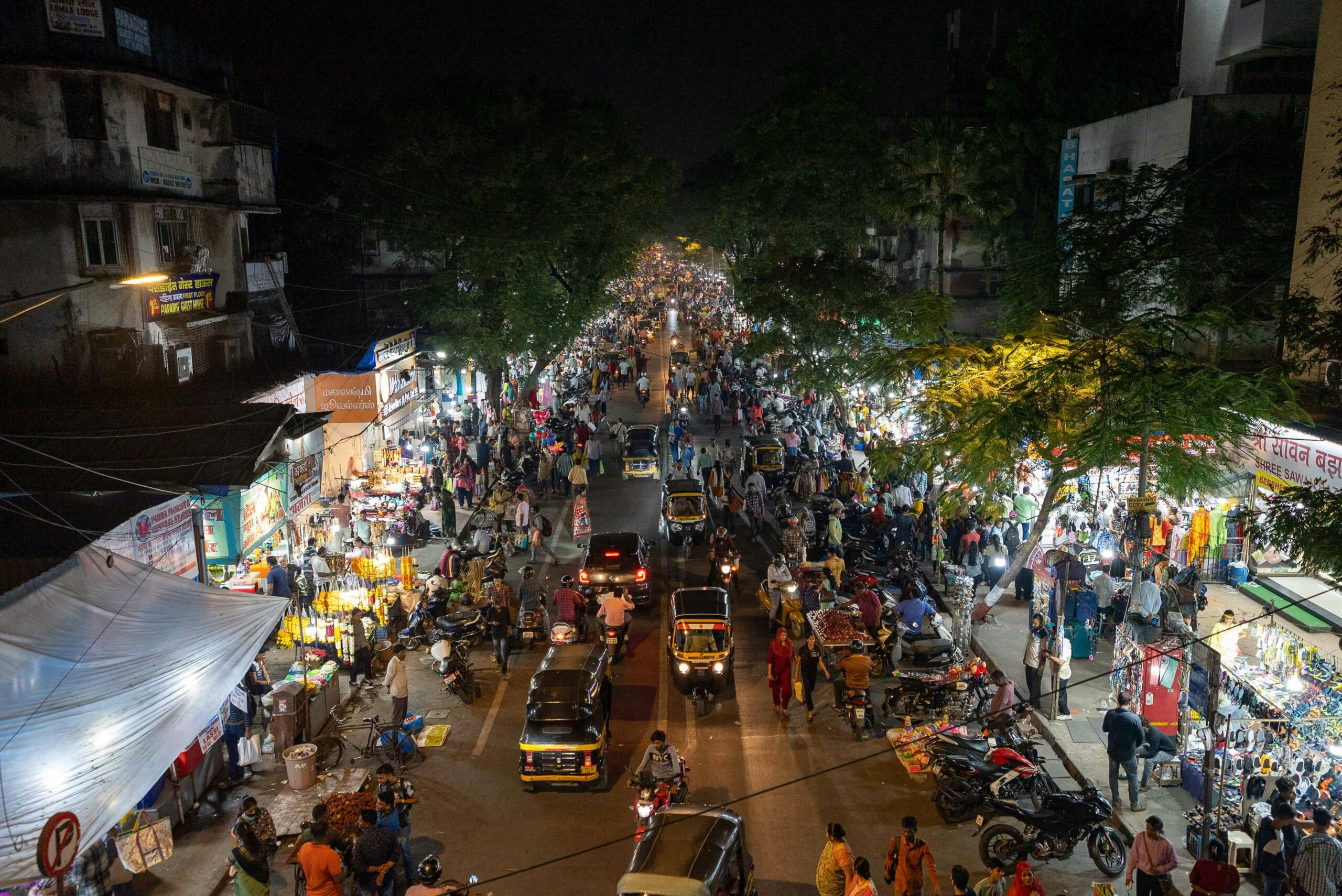
Mumbai, India’s largest commercial hub. Just outside a park where residents work up a sweat from early morning, stalls selling deep-fried snacks and syrup-soaked sweets are doing brisk business. In a country where health consciousness and overindulgence coexist, a major turning point is approaching in the market for obesity treatments. Triggered by a key patent expiration, a “generic whirlwind” that could slash prices by as much as 90 percent may reshape how healthcare and consumption function in a nation of 1.4 billion people.
At Shivaji Park in western Mumbai, large numbers of residents gather at dawn for power walking. Smartwatches on their wrists, upbeat music streaming through their earphones, they circle the grounds in steady rhythm. Health awareness, particularly in urban areas, is clearly on the rise.
Yet at the park’s exits, vendors line up selling freshly fried samosas and syrupy jalebi. It is not uncommon to see people indulging in these treats immediately after exercise. Rising incomes fueled by economic growth, the expansion of the dining-out industry, and increasingly sedentary desk-based work styles—against this backdrop, lifestyle-related diseases such as obesity and diabetes are on the rise in India. In a society where restraint and temptation sit side by side, the strain is now spilling over into the pharmaceutical market.
Next month, semaglutide—the active ingredient in the obesity treatment drug “Ozempic,” developed by Danish pharmaceutical giant Novo Nordisk—will go off patent in India. The drug, which not only improves blood sugar levels but is also associated with weight loss, has seen surging global demand.
Once patent protection is lifted, Indian pharmaceutical companies are expected to launch generic versions en masse. India is often referred to as “the pharmacy of the world,” a powerhouse in generic drug production. Armed with strong price competitiveness and manufacturing capacity, companies are looking not only at the domestic market but also at opportunities overseas. Semaglutide is likely to become their next major battleground.

Industry observers suggest that intense price competition could drive prices down by as much as 90 percent for some products. Until now, expensive brand-name drugs have largely been limited to wealthy patients and a small segment of the population. If prices fall significantly, access could expand to the middle class.
U.S. investment bank Jefferies forecasts that India’s semaglutide market could eventually exceed $1 billion (approximately ¥155 billion). With a population of 1.4 billion and one of the world’s largest numbers of diabetes patients, obesity treatment in India is directly linked to public health challenges that go far beyond cosmetic concerns. Price disruption could simultaneously expand the market and improve access to care.
At the same time, challenges are emerging. As attention focuses on the drug’s weight-loss effects, there are concerns that demand could spread even among people who do not medically require it. If the line between medical necessity and cosmetic use becomes blurred, supply shortages, inappropriate use, and the risk of side effects may increase.
Moreover, India still has segments of the population struggling with undernutrition. The “double burden” of overnutrition and undernutrition coexisting is a characteristic issue in emerging economies. The spread of obesity treatments is likely to concentrate among the urban middle class and above, raising concerns that health disparities could widen further.

The entry of generics represents a major business opportunity for India’s pharmaceutical industry, but it is also a test of quality control and ethics. If demand surges, rigorous supply systems and distribution oversight will be essential. Any loss of trust could have repercussions not only domestically but also in international markets.
Even so, making treatment a realistic option for those who previously could not afford it is significant. For citizens sweating it out at Shivaji Park, the expansion of medical tools that support lifestyle improvements is a welcome development.
Is health purely a matter of self-discipline, or can it be supplemented by medical technology? Beyond the price revolution lies more than simple market expansion. The question drawing quiet attention now is what kind of balance rapidly growing Indian society will strike between desire and restraint, economic rationality and public responsibility.