
The Next Phase of IKEA’s Global Expansion Strategy
TEXT:Brian Maclegaer
Swedish furniture giant IKEA has opened its first-ever store in New Zealand (NZ). Located in Sylvia Park Shopping Centre on the outskirts of Auckland, the new facility occupies a vast 34,000 square meters. It marks IKEA’s 505th store globally and its entry into the 64th market — and geographically, the farthest location from its Swedish headquarters. More than just another store opening, this move represents a significant symbol of shifting dynamics in the global retail landscape and reflects the evolution of IKEA’s own business model.
Although IKEA expanded into neighboring Australia nearly half a century ago, its entry into New Zealand had long been delayed. One major reason lies in the demographic scale. While Australia has a population of roughly 26 million, New Zealand has only about 5 million people. For decades, the economics of IKEA’s traditional model—mass production and mass retail supported by vast logistics networks—did not align favorably with the smaller market.
However, this latest development signals a strategic shift. IKEA is transitioning away from a purely “large-scale warehouse format reliant on suburban drive-in shoppers” toward a more adaptive approach—integrating regional decentralization, online fulfillment, and flexible store types. Advances in technology, supply chain optimization, and evolving consumer behaviors have fundamentally changed the threshold for market viability.
Tolga Öncü, Head of Retail Operations at Ingka Group, emphasized that IKEA intends to build its NZ business with a long-term perspective — prioritizing local embeddedness, job creation, and collaboration with the community.
This reflects IKEA’s broader localization strategy.
Historically, the company exported Scandinavian minimalism as a universal design value. Yet today, IKEA is increasingly tailoring its offering to local culture and living patterns. Climate, housing structure, material preference, family composition, and the maturity of DIY culture all influence furniture purchasing behavior.
In New Zealand, outdoor lifestyles, homes with gardens, and preferences for natural materials are notable characteristics. A key question is how IKEA will integrate into this existing lifestyle ecosystem and how well it will reinterpret its product lineup and services to suit NZ households.
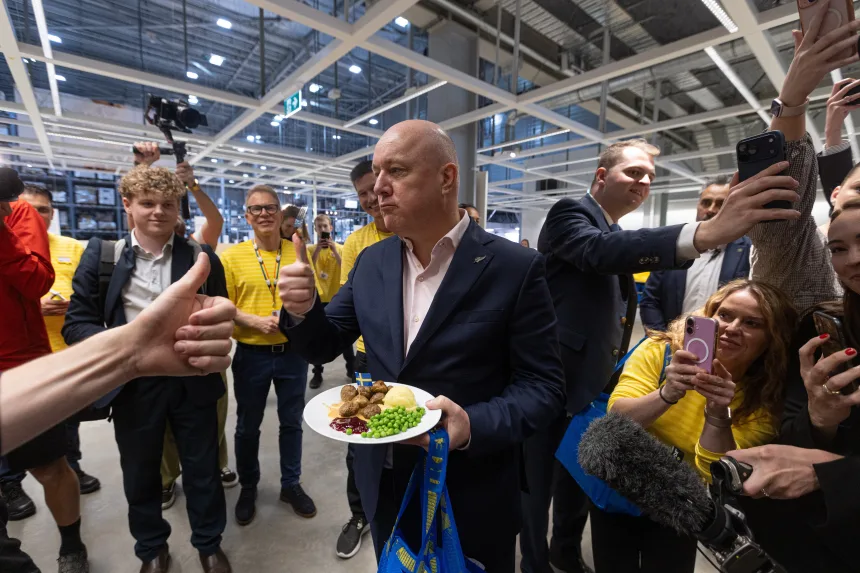
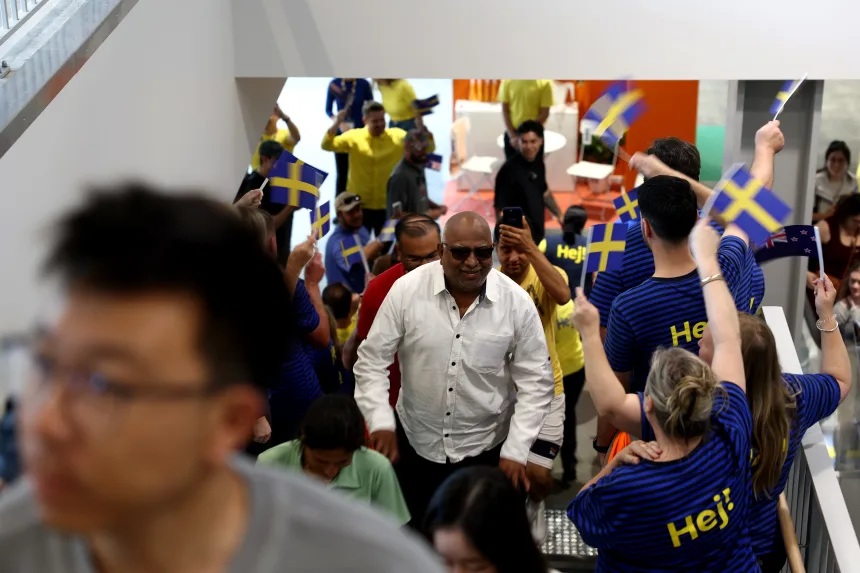
According to reports, thousands visited the store on opening day. New Zealand Prime Minister Christopher Luxon remarked that IKEA’s arrival would “create competition and ultimately benefit consumers.”
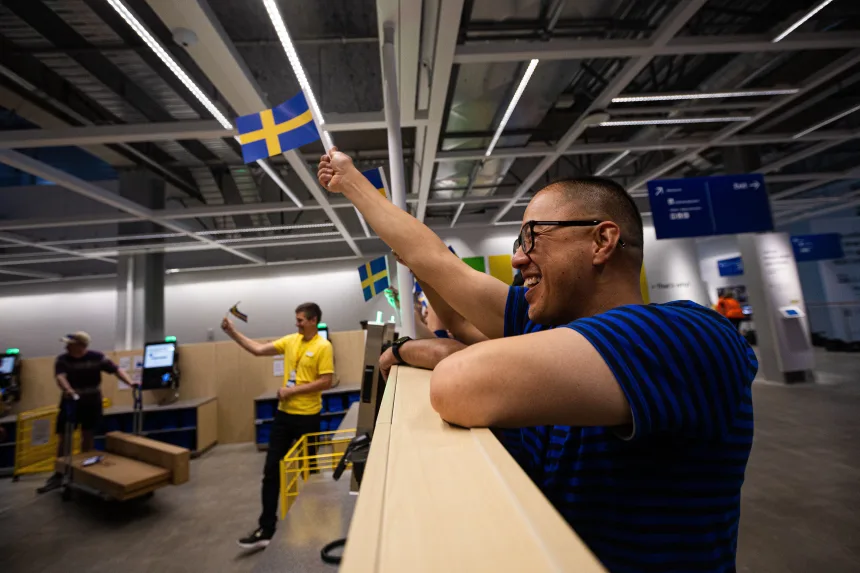
For years, the NZ furniture market has been dominated by local manufacturers and a limited number of import chains. IKEA’s entry inevitably intensifies price competition and raises expectations for innovation across the sector. At the same time, the new store has already generated employment for 500 people — a tangible boost to the regional economy.
Retail is not merely transactional. It shapes consumption patterns, influences housing trends, and reframes lifestyle standards. The arrival of IKEA may spark a transformation in how New Zealanders conceptualize and organize their living spaces.
The era in which multinational retailers expand only into large-population markets is ending. IKEA’s NZ launch demonstrates that the company is now entering a phase where purchasing power, lifestyle alignment, and cultural fit outweigh population size.
Future expansion may target untapped regions across Africa, the Middle East, and Southeast Asia.
In an age where diversity in global living standards equates to business opportunity, IKEA is refining its global model around two axes: universality and adaptation. New Zealand represents the blueprint of that future.